High-yield pharmacology images for the USMLE
StepGenie explanation infographics. Free to view, no account needed.
What do StepGenie's pharmacology images cover?
Each pharmacology image is an infographic StepGenie drew for one of its own practice questions. It places a drug at its receptor or enzyme, then follows the consequence out to the effect and the adverse effect the question asked about.
Drug effects and toxic neuropathies form the largest block here, followed by cardiovascular drugs, antimicrobials and substance use disorders. Smaller groups cover hepatic drug handling, ophthalmic drugs, drug reactions, obstructive lung disease treatment and metabolic bone drugs.
Pharmacology questions are usually decided one step upstream of the drug name, at the mechanism, and that is where these images sit. An antihypertensive panel that shows each class acting at a different point on the same pressure equation makes the adverse effects predictable instead of memorized — a drug that drops preload causes different problems from one that blocks a receptor in the kidney.
The toxicity and antidote images are the exception; they are lists by nature and are drawn as reference cards. Treat those as something to check after a wrong answer rather than something to drill, and spend the drilling time on the mechanism panels instead.
Autonomic pharmacology is the group to start with if you are early in Step 1. Almost every later drug question assumes you can place a receptor and predict its effect, and the panels here work outward from the receptor rather than from a list of drug names.
Topics in this set
Labels are the question-bank topics these images are filed under. Step 1 and Step 2 file some of the same material under different names, so a few labels here merge both.
Pharmacology explanation images
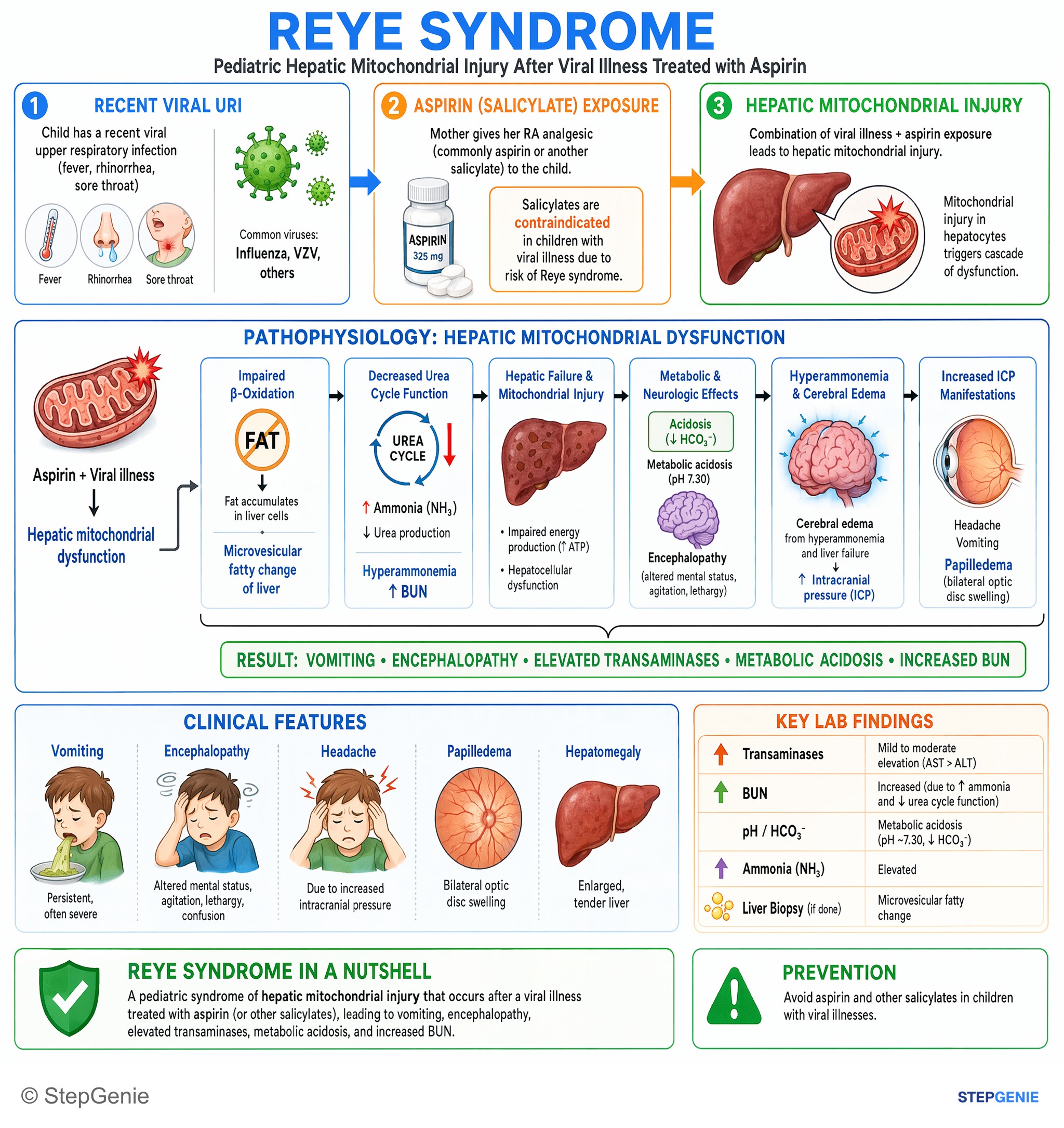
Reye syndrome: pediatric hepatic mitochondrial injury after viral illness treated with aspirin → vomiting, encephalopathy, elevated…
USMLE Step 1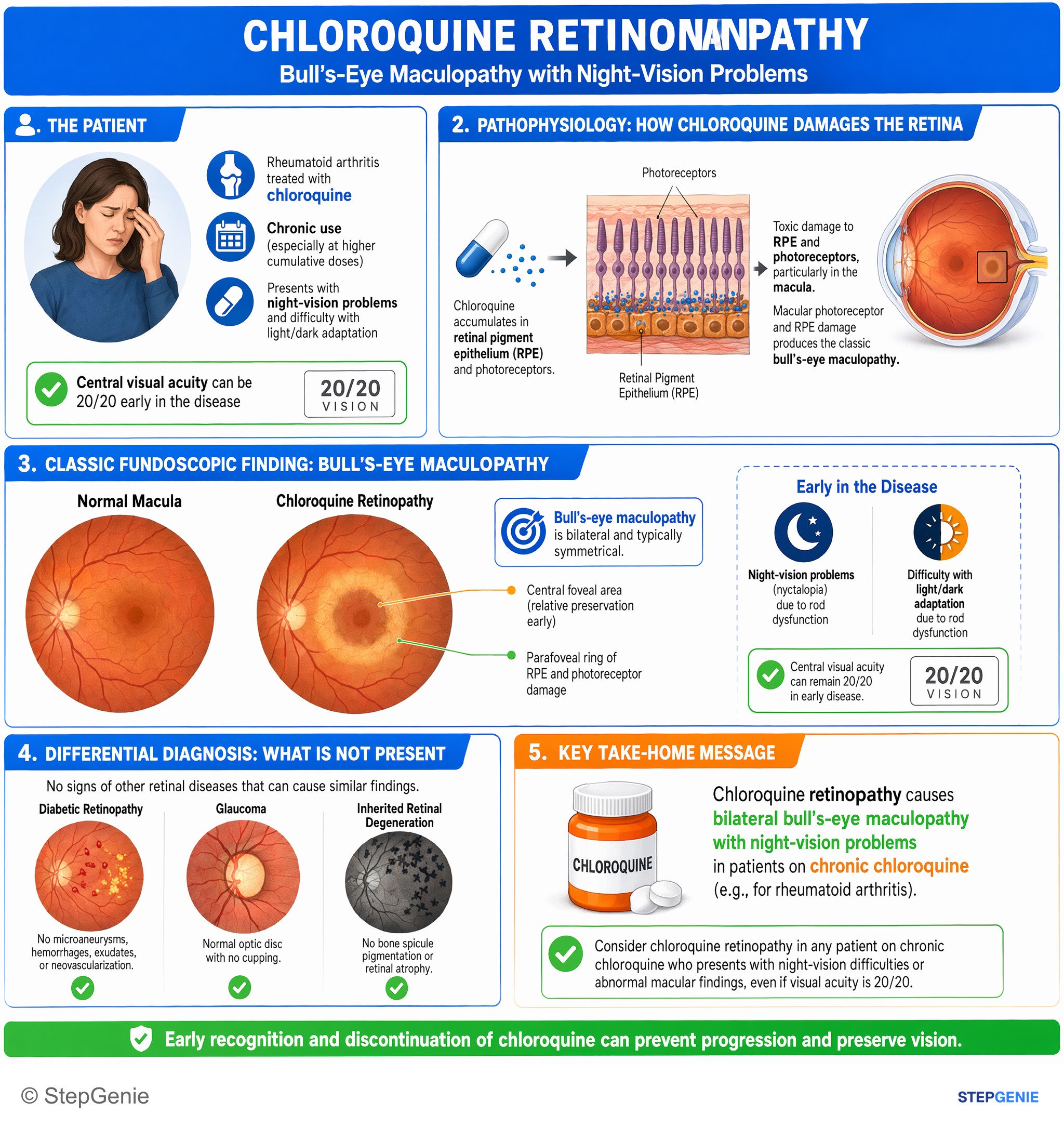
Chloroquine retinopathy causes bilateral bull’s-eye maculopathy with night-vision problems in patients on chronic chloroquine (eg, for…
USMLE Step 1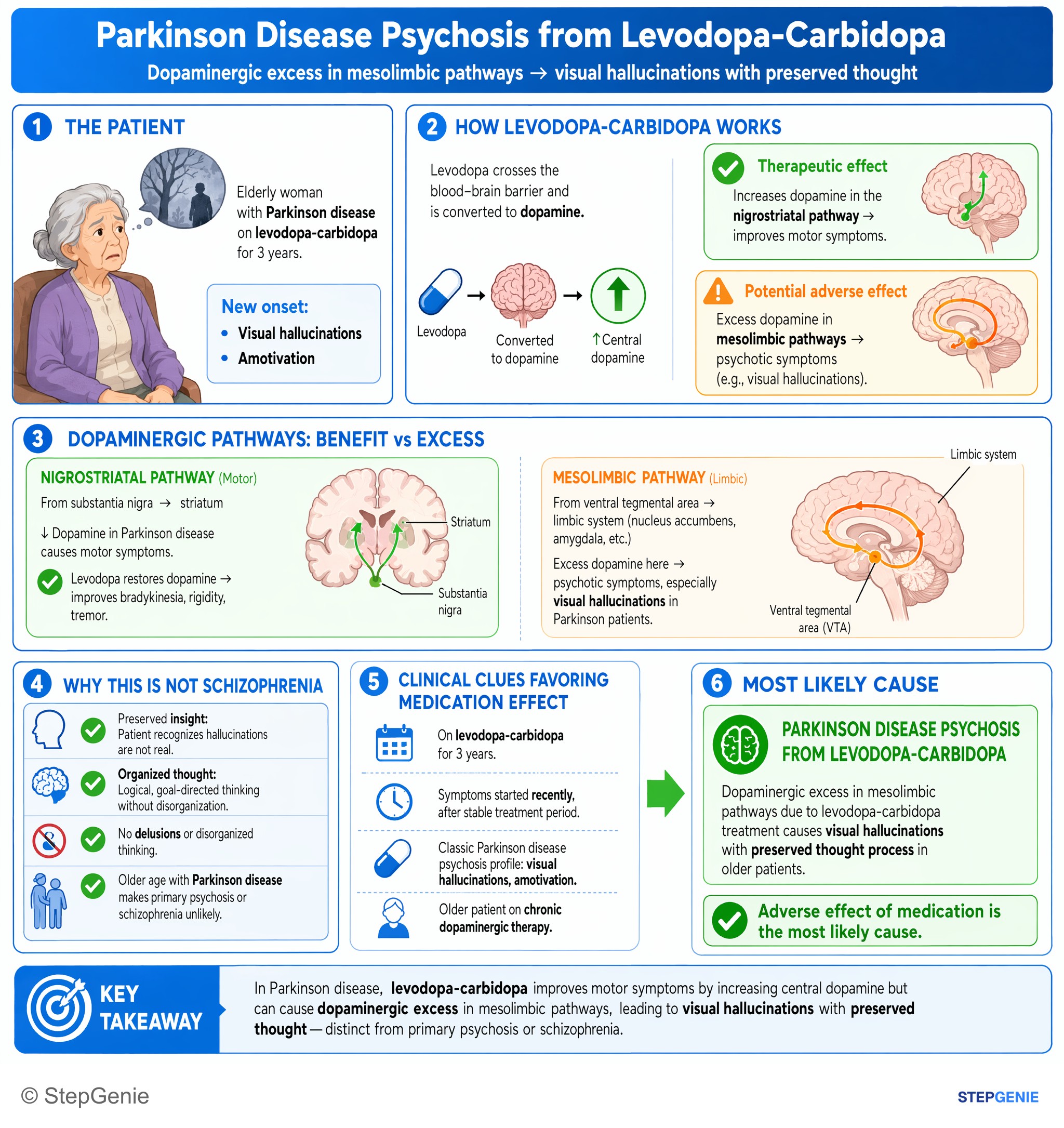
Parkinson disease psychosis from levodopa-carbidopa causes visual hallucinations with preserved thought process in older patients on…
USMLE Step 1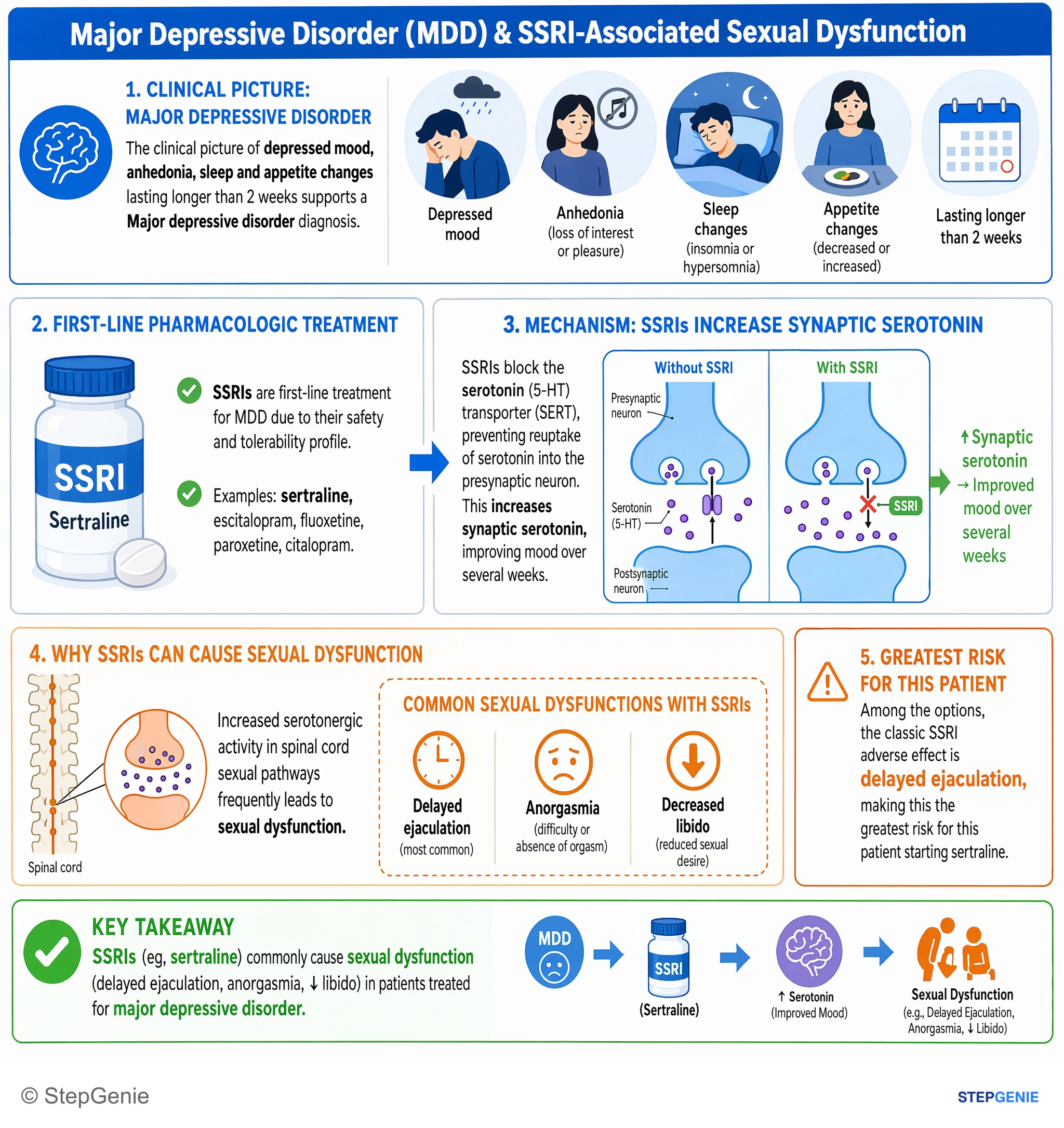
SSRIs (eg, sertraline) commonly cause sexual dysfunction (delayed ejaculation, anorgasmia, ↓libido) in patients treated for major…
USMLE Step 1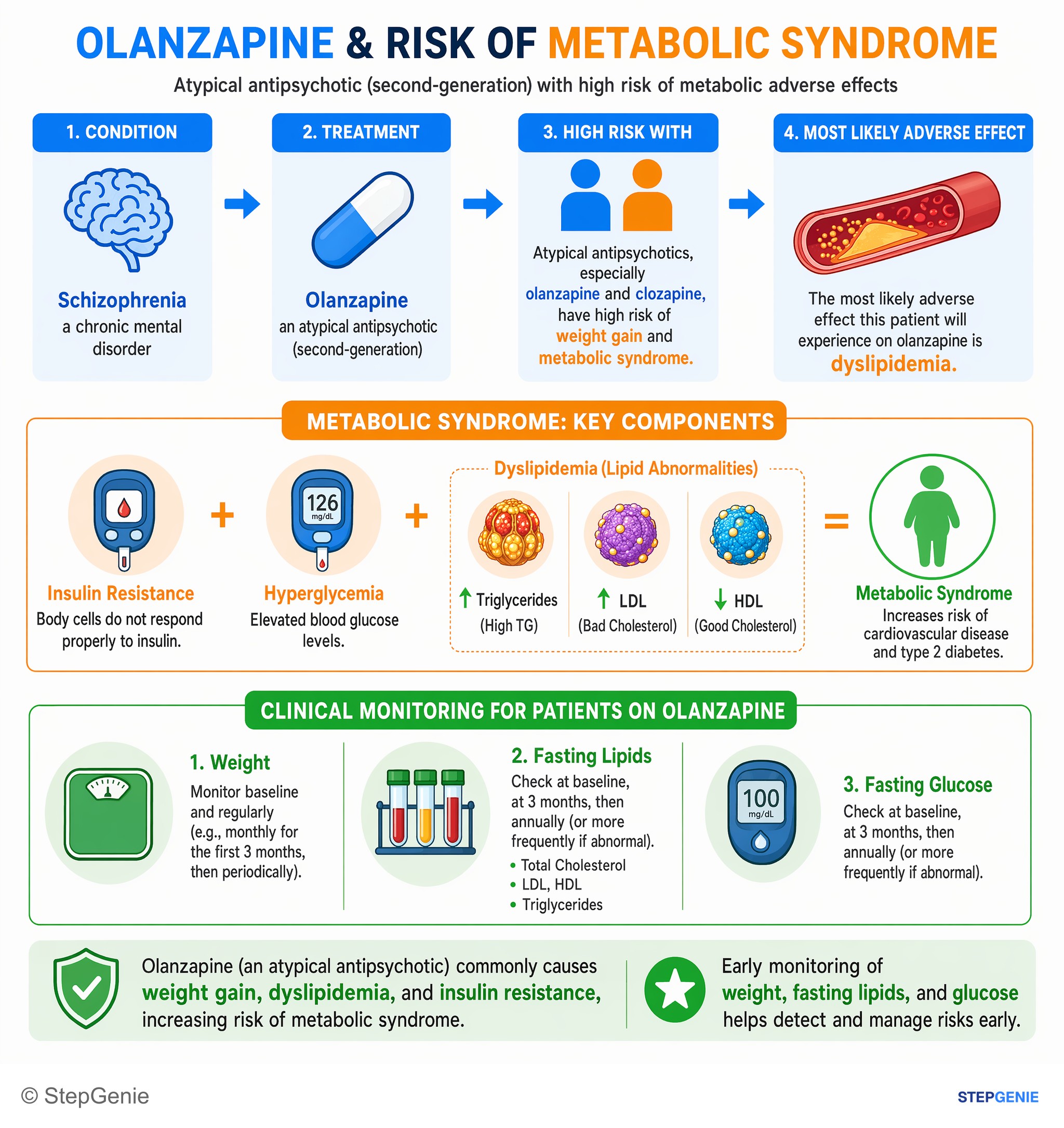
Olanzapine (an atypical antipsychotic) commonly causes weight gain, dyslipidemia, and insulin resistance, increasing risk of metabolic…
USMLE Step 1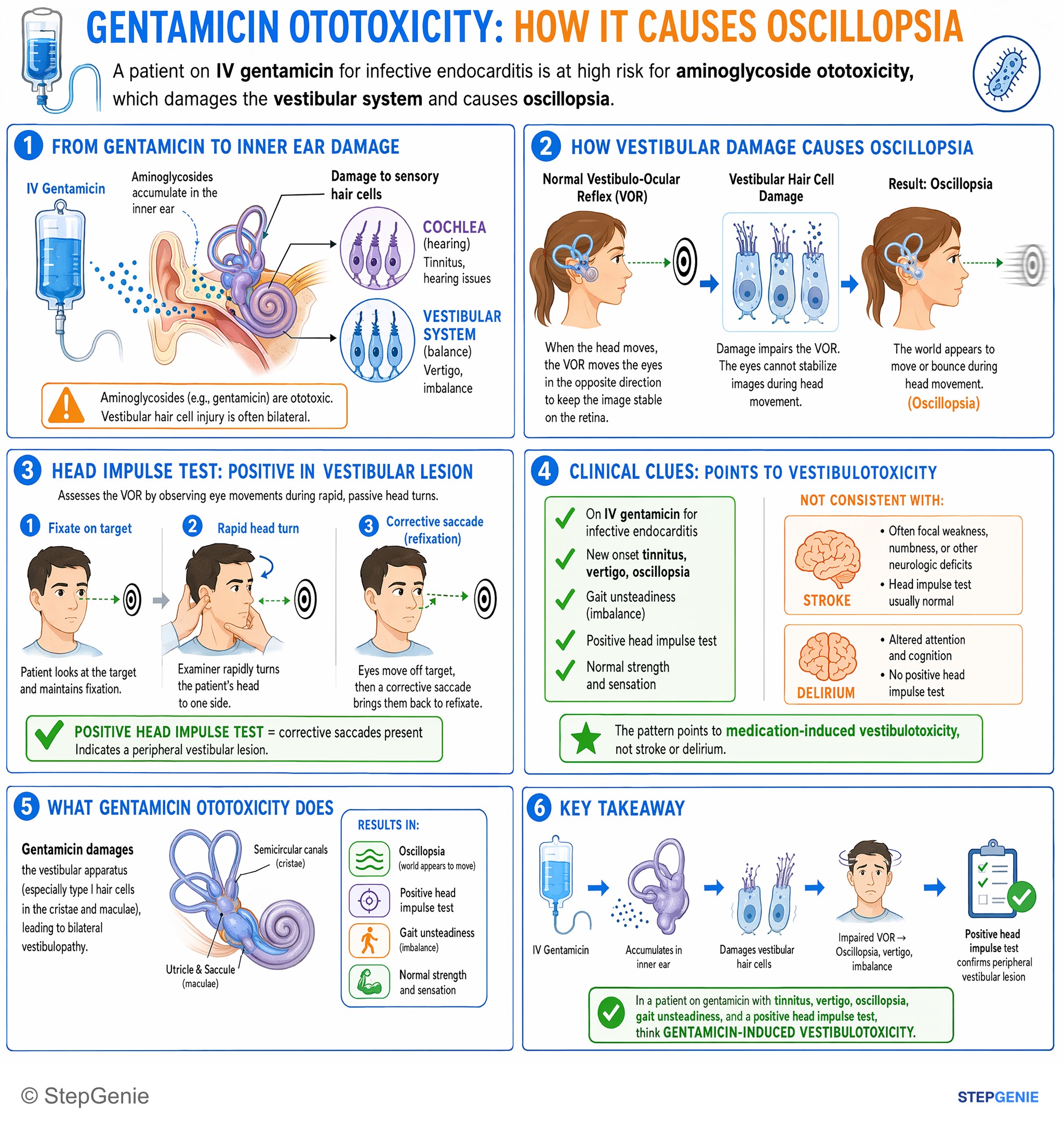
Gentamicin ototoxicity damages the vestibular apparatus, causing bilateral vestibulopathy with oscillopsia, positive head-impulse test…
USMLE Step 1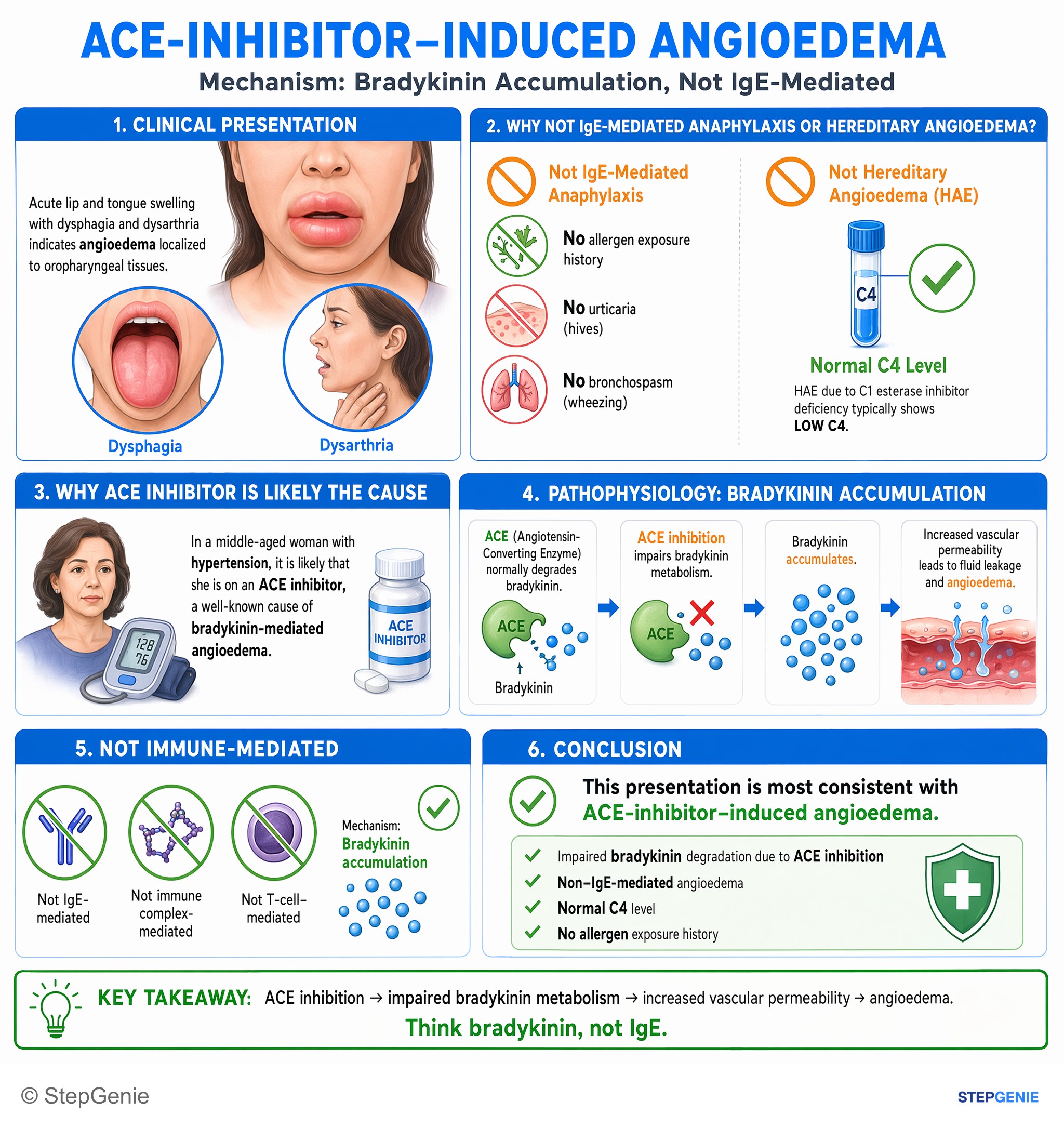
ACE-inhibitor–induced angioedema: impaired bradykinin degradation causes non–IgE-mediated angioedema with normal C4 and no allergen…
USMLE Step 1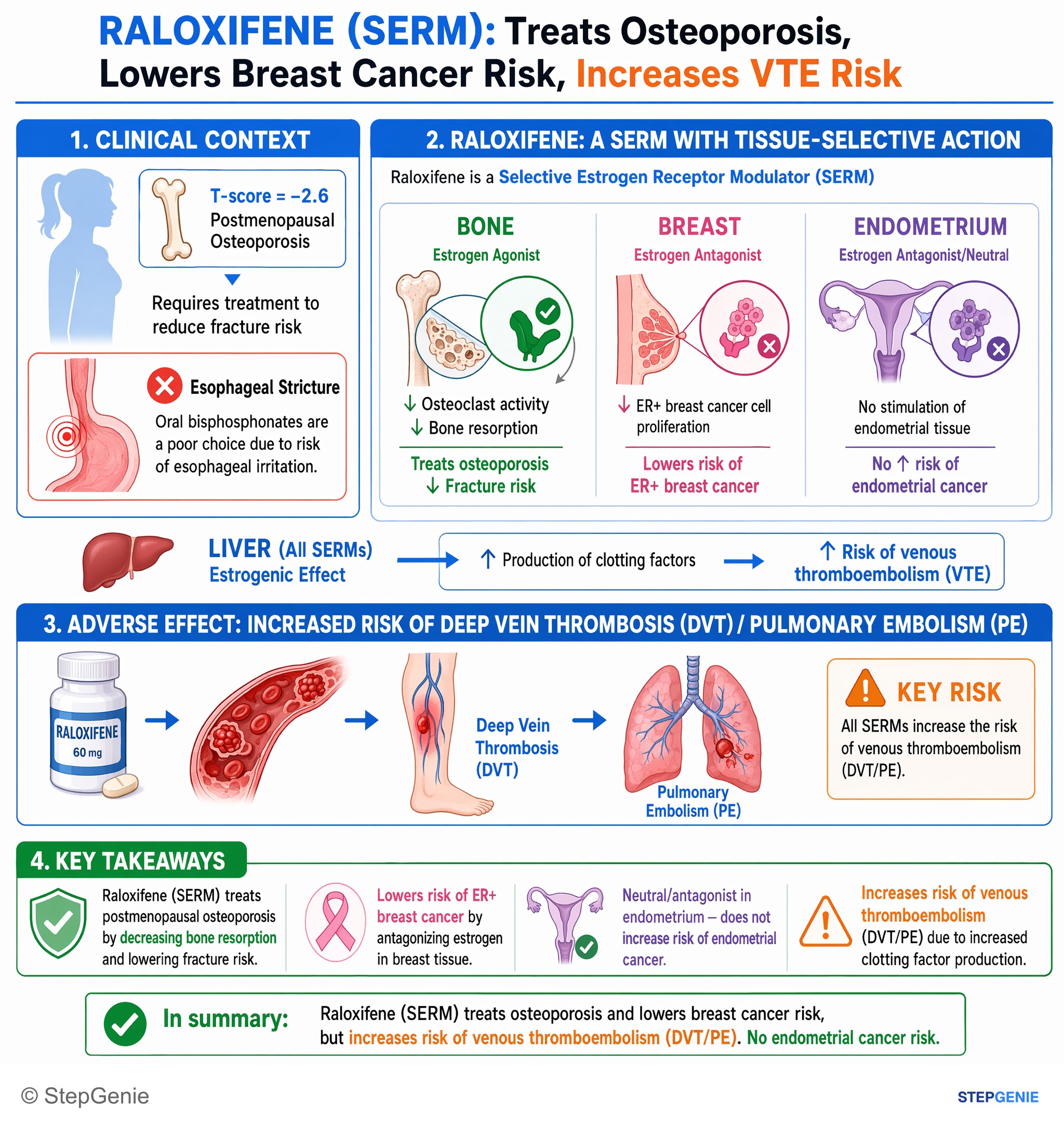
Raloxifene (SERM) treats osteoporosis and lowers breast cancer risk but increases risk of venous thromboembolism (DVT/PE). No endometrial…
USMLE Step 1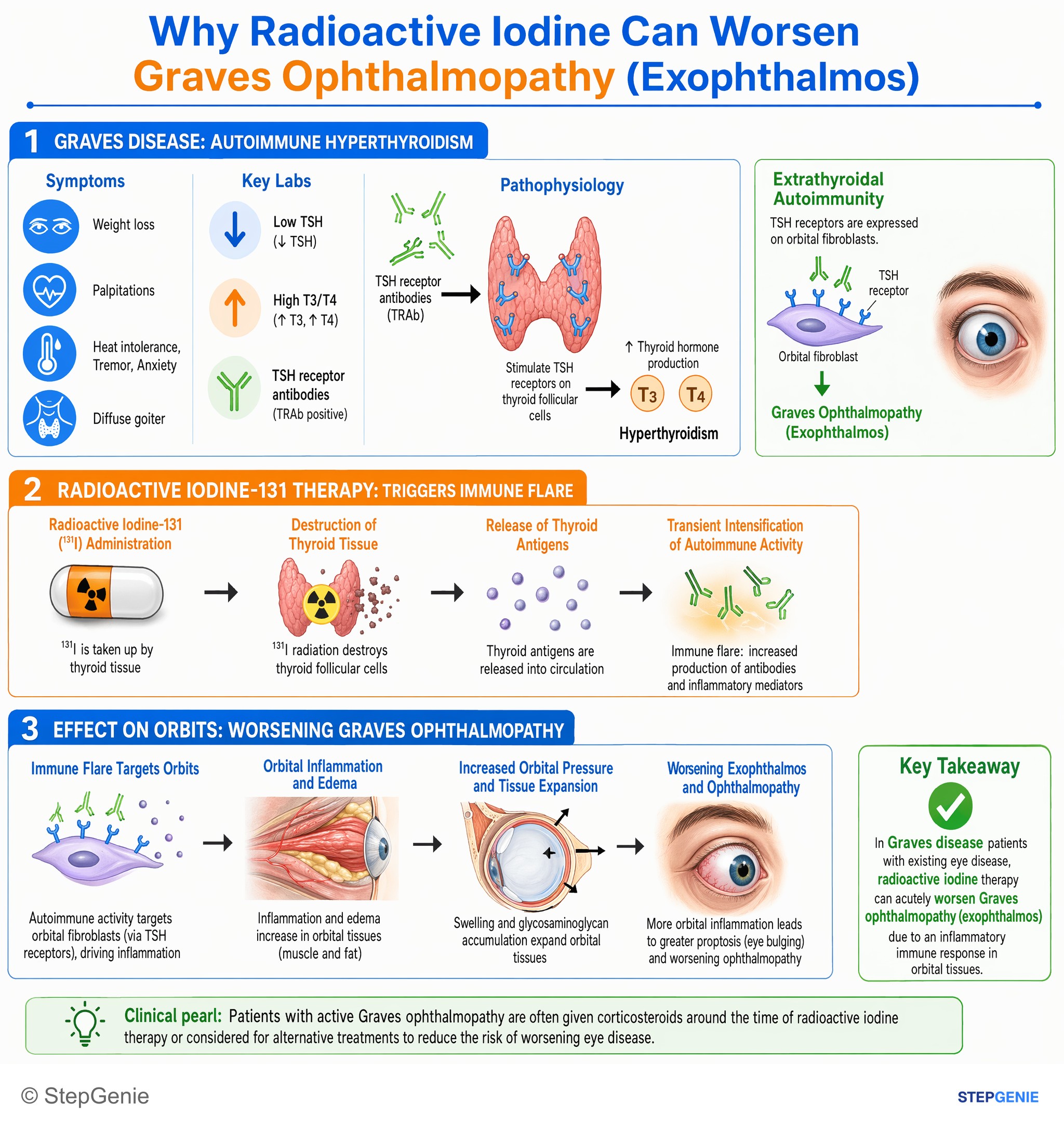
Graves disease treated with radioactive iodine can acutely worsen Graves ophthalmopathy (exophthalmos) due to inflammatory response in…
USMLE Step 1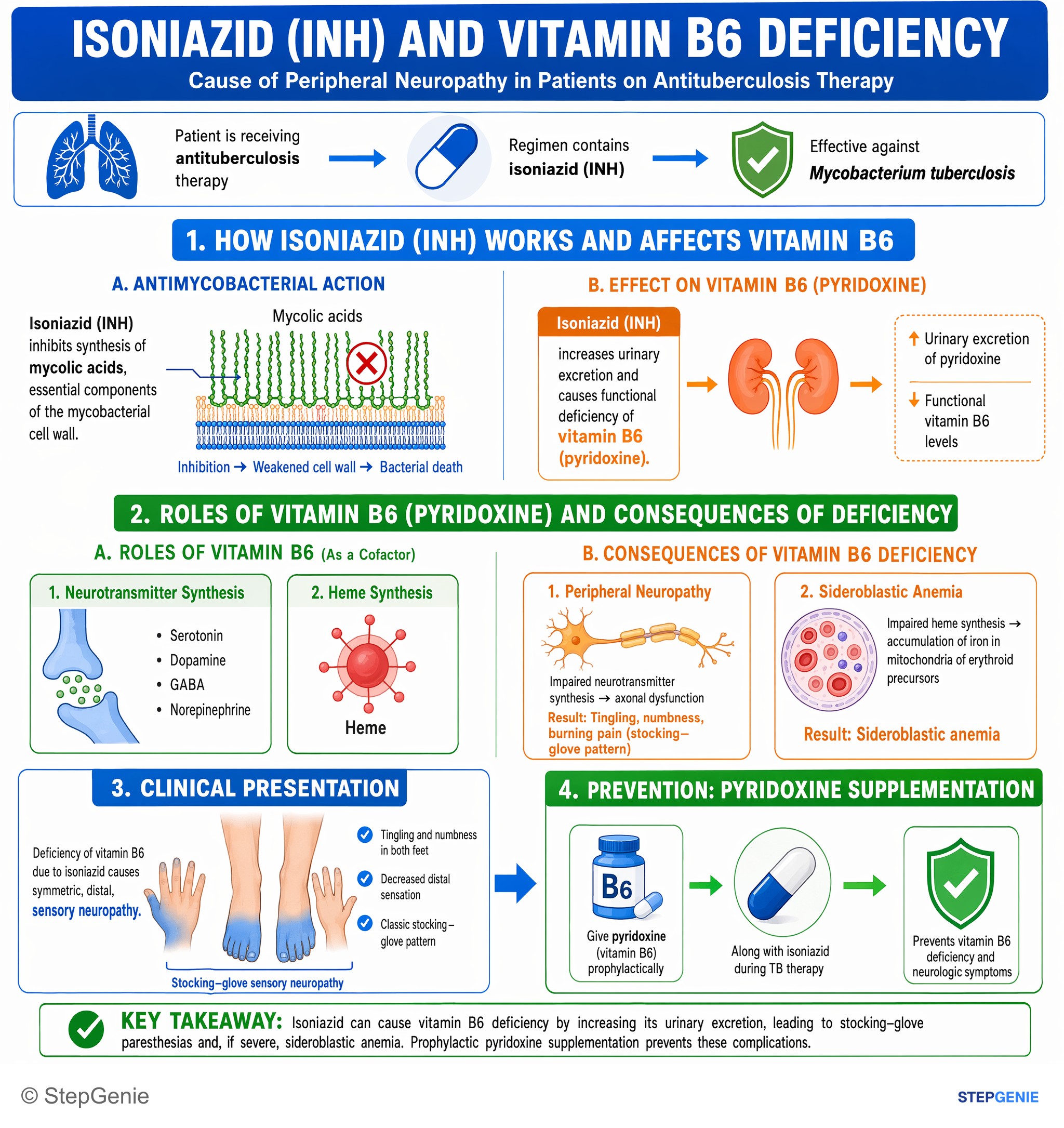
Isoniazid-induced peripheral neuropathy from vitamin B6 (pyridoxine) deficiency causes stocking–glove paresthesias; prevented with…
USMLE Step 1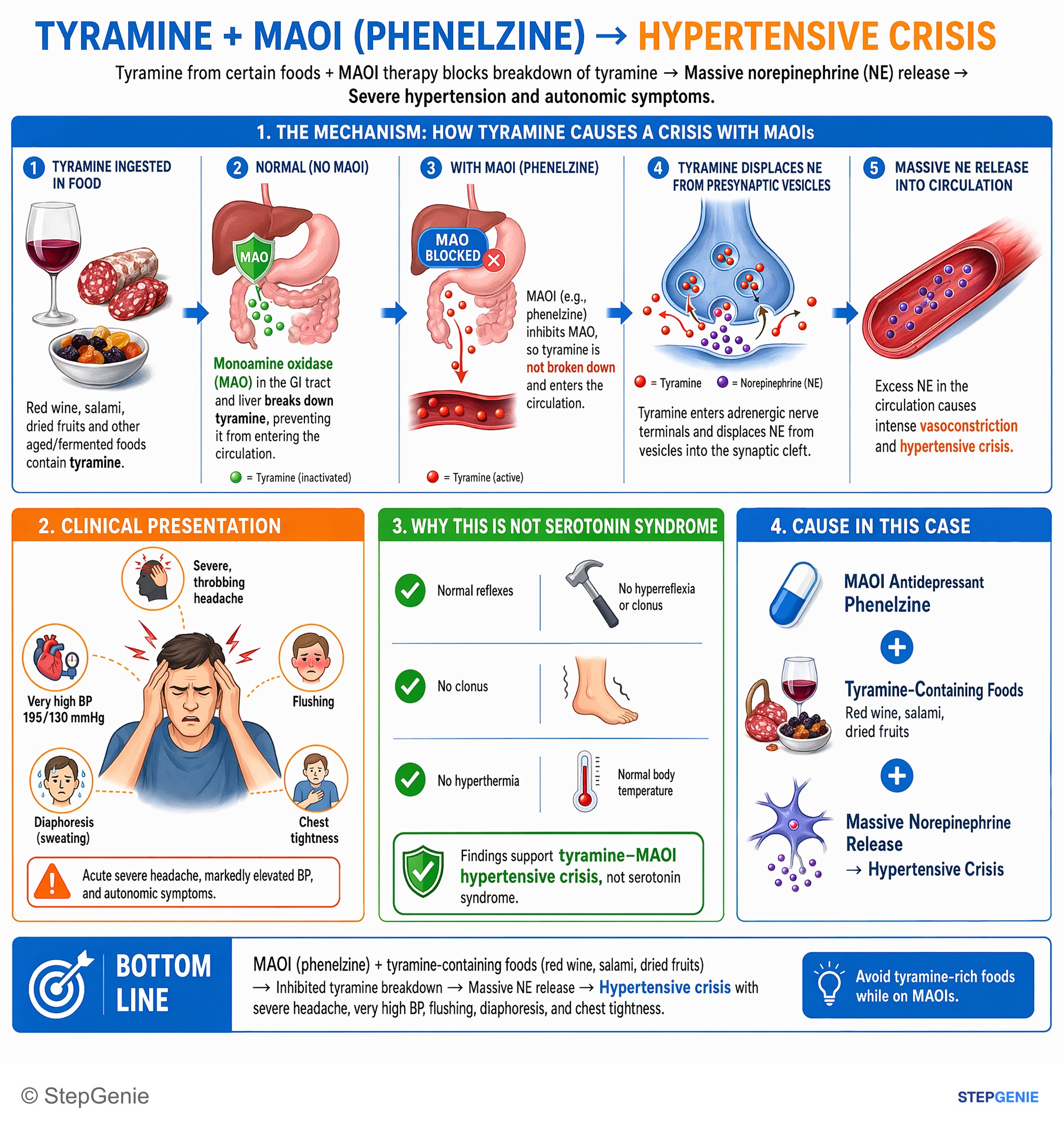
**Hypertensive crisis from MAOI (phenelzine) + tyramine-containing foods (wine, salami, dried fruits) causing acute severe headache…
USMLE Step 1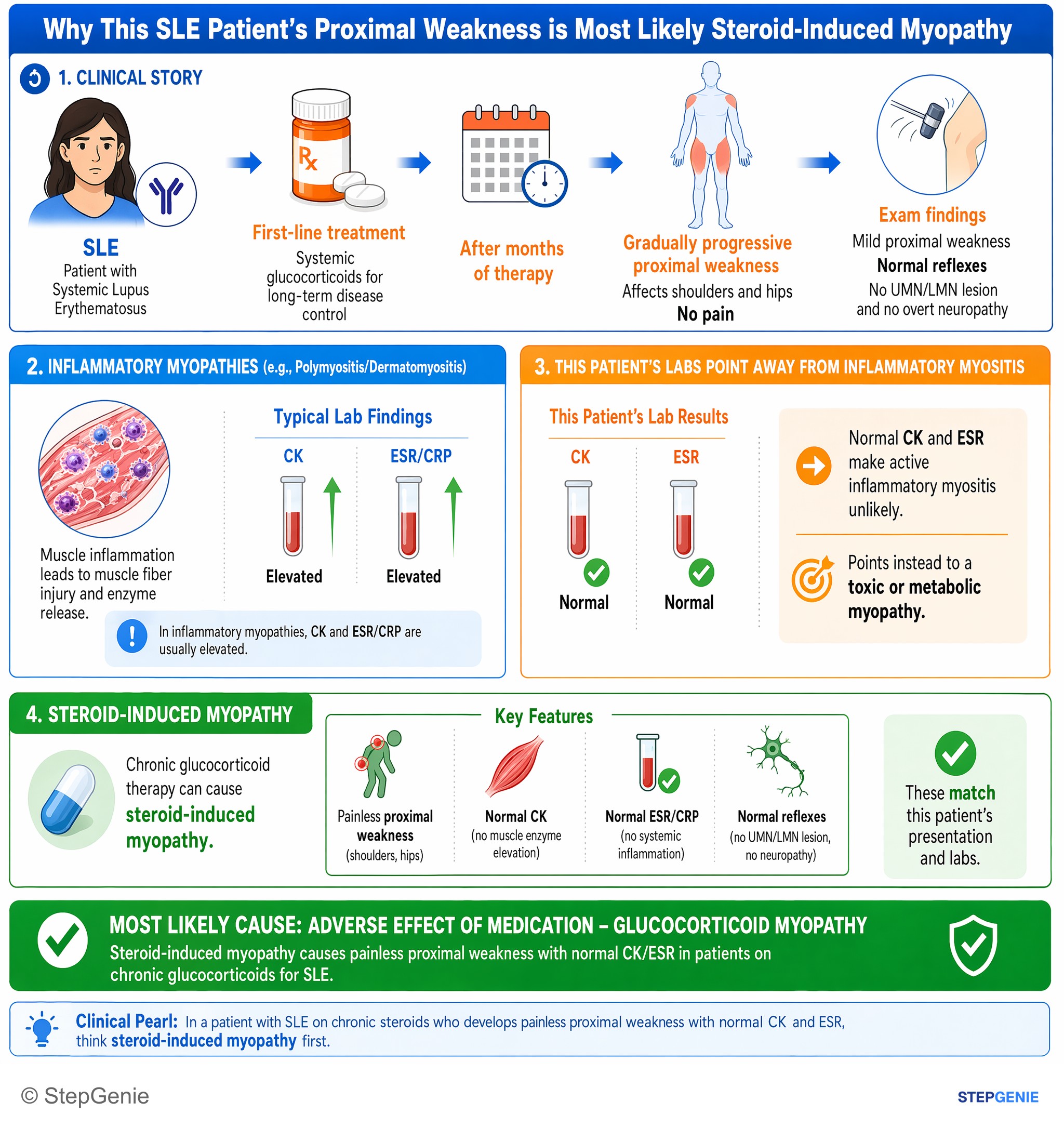
Steroid-induced myopathy causes painless proximal weakness with normal CK/ESR in patients on chronic glucocorticoids for SLE.
USMLE Step 1184 publishable pharmacology infographics in the library — all of them from Step 1 questions, counted on October 29, 2026. This page shows 48 of them. An image is listed when its question is active, has a full structured explanation, passed verification and carries no unresolved report.
This page caps out at 48 images. 136 more pharmacology infographics sit in the in-app image library, where they are searchable and filterable by subject, system and topic.
Open the image libraryPractice the questions behind these images
Each image explains one question. The pharmacology topic page has the written explanations and the question sets, and the preview lets you answer three questions without an account.
Other image sets
Study pharmacology with the image attached
In the app, each of these sits at the end of the question it explains, alongside the step-by-step reasoning and a panel for every option you did not pick. Starting is free.
Start practicing free