High-yield biochemistry images for the USMLE
StepGenie explanation infographics. Free to view, no account needed.
What do StepGenie's biochemistry images cover?
Each biochemistry image is a StepGenie infographic drawn for one of its own practice questions. It marks the blocked step on the pathway, then shows what builds up behind it and what is missing after it — which is usually the whole answer to the vignette.
This is one of the smaller Step 1 sets, and the count under the grid is the current figure. Disorders of nutrition lead it, then bioenergetics and carbohydrate metabolism, amino acids and enzymes, vitamins and cofactors, glycogen storage diseases, metabolic enzyme defects, lipid metabolism and organelle function.
Biochemistry is one of the clearest cases on the exam for a diagram over a paragraph, because every metabolic question is a position on a map. Once an enzyme deficiency is marked on the pathway, the accumulating substrate and the absent product are read off directly, and the clinical picture follows from those two facts rather than from a separate memorized list.
The vitamin images cover the deficiency syndromes that recur across systems — the neuropathies, the anemias, the skin findings — and they are the ones most likely to help on a question that does not look like a biochemistry question at all. Work these alongside the hematology and neurology sets rather than in isolation.
Molecular biology and genetics are barely represented in this set — a handful of panels on nucleic acids and cell signalling, and nothing that adds up to a section. If that is the half of the subject you are revising, the biochemistry topic page has the written explanations instead.
Topics in this set
Labels are the question-bank topics these images are filed under. Step 1 and Step 2 file some of the same material under different names, so a few labels here merge both.
Biochemistry explanation images
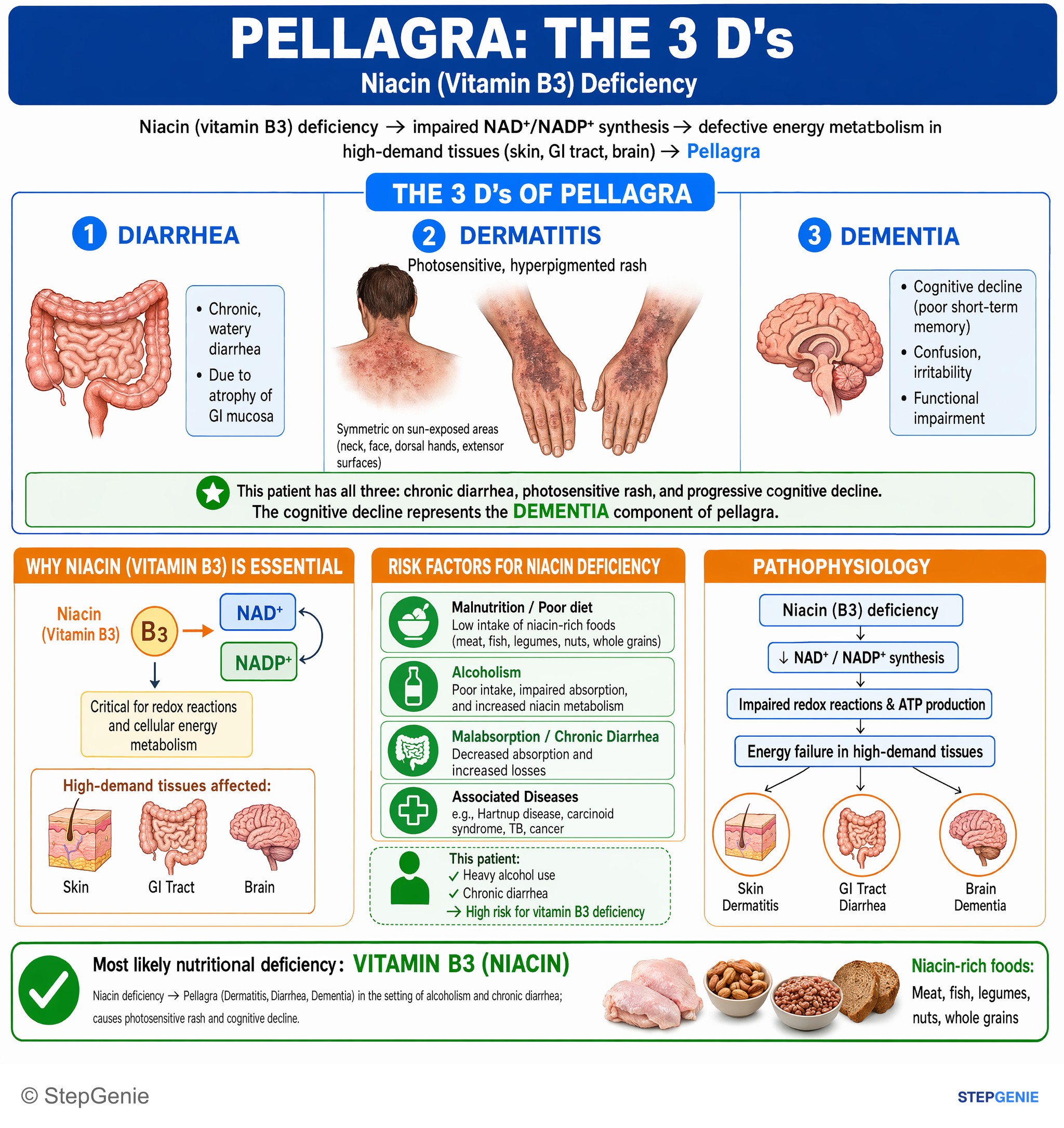
Niacin (vitamin B3) deficiency → pellagra (dermatitis, diarrhea, dementia) in setting of alcoholism/chronic diarrhea; causes cognitive…
USMLE Step 1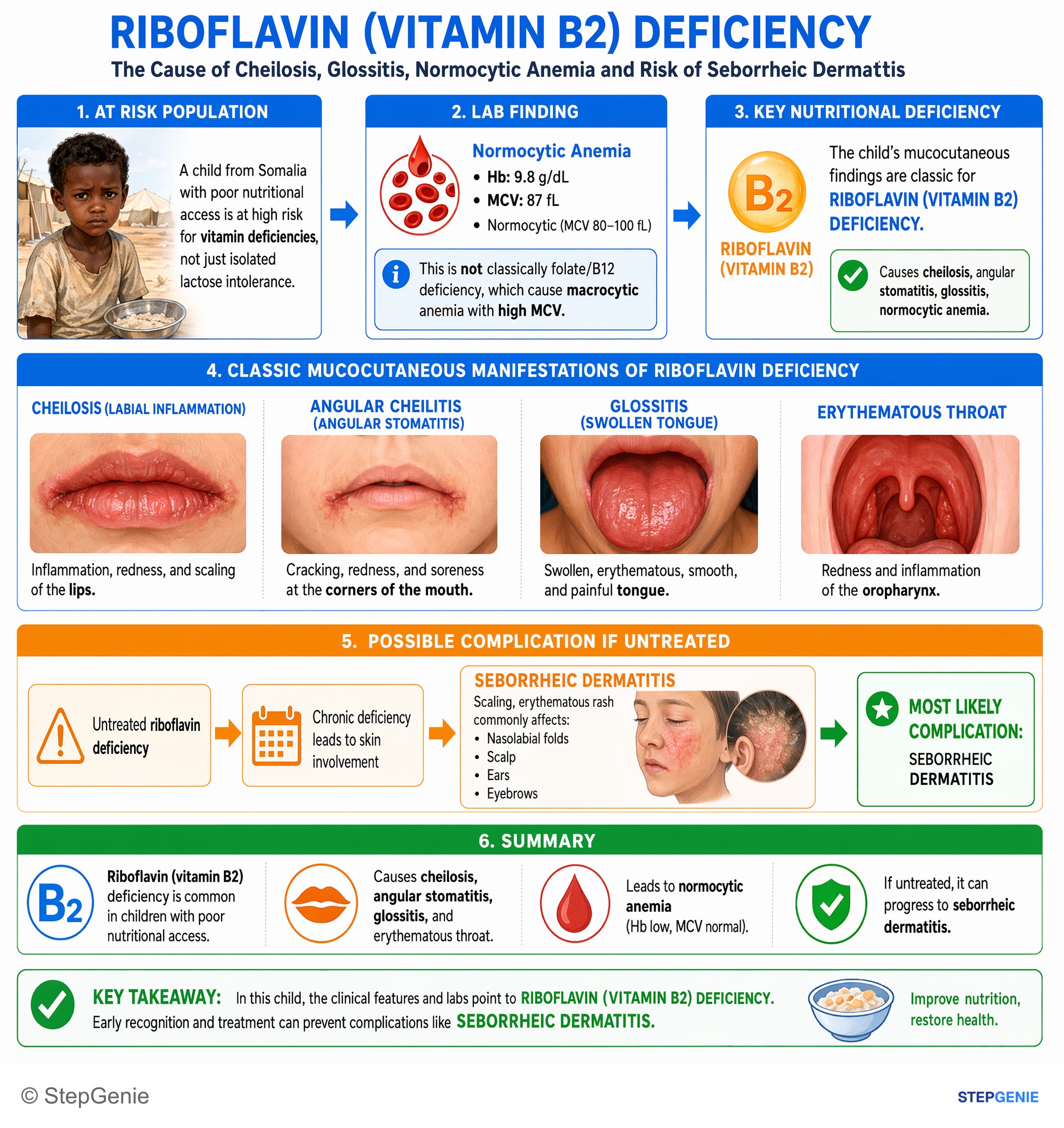
Riboflavin (vitamin B2) deficiency causes cheilosis, glossitis, angular stomatitis, normocytic anemia, and can progress to seborrheic…
USMLE Step 1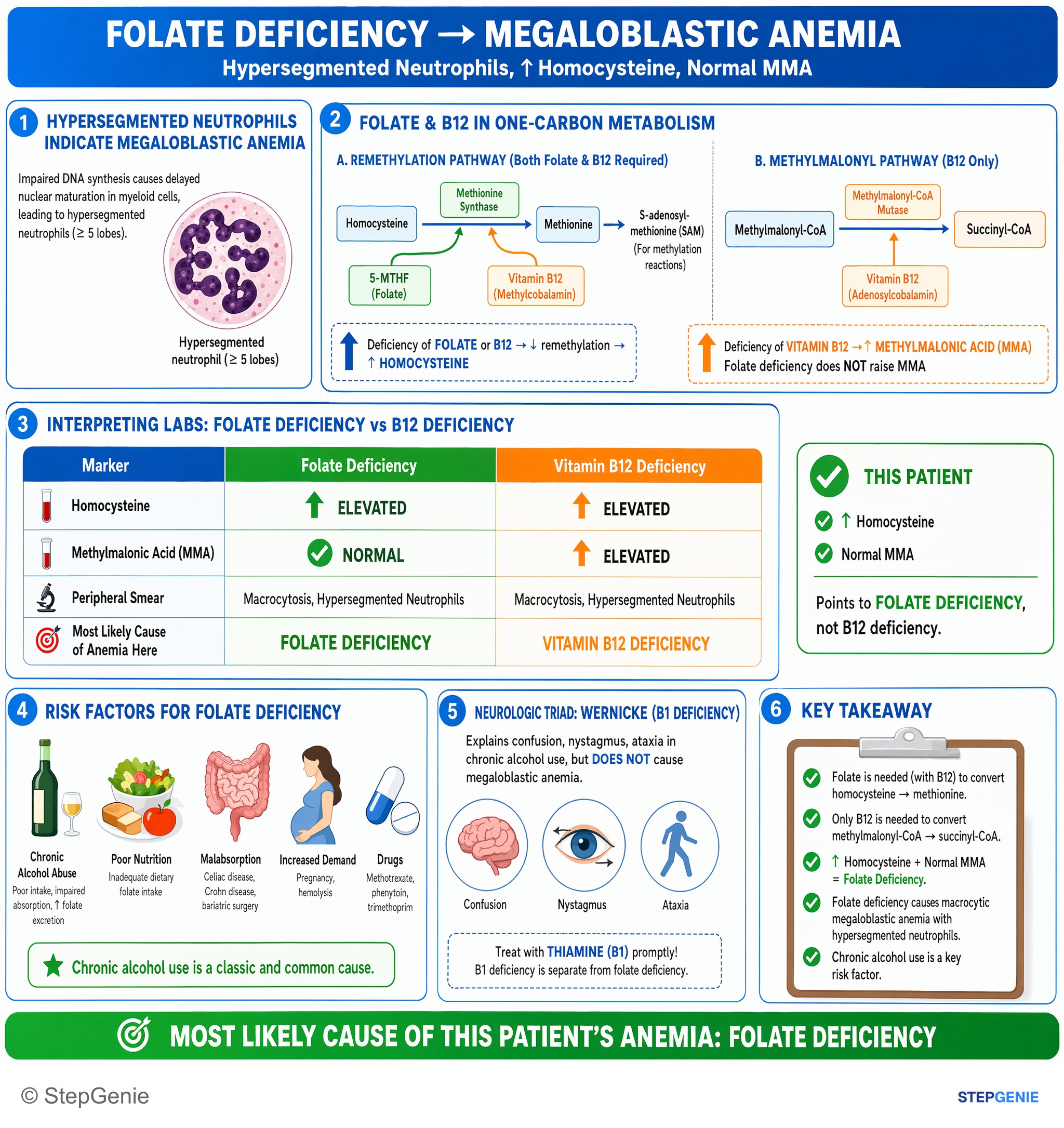
Folate deficiency causes macrocytic megaloblastic anemia with hypersegmented neutrophils, ↑homocysteine, normal methylmalonic acid…
USMLE Step 1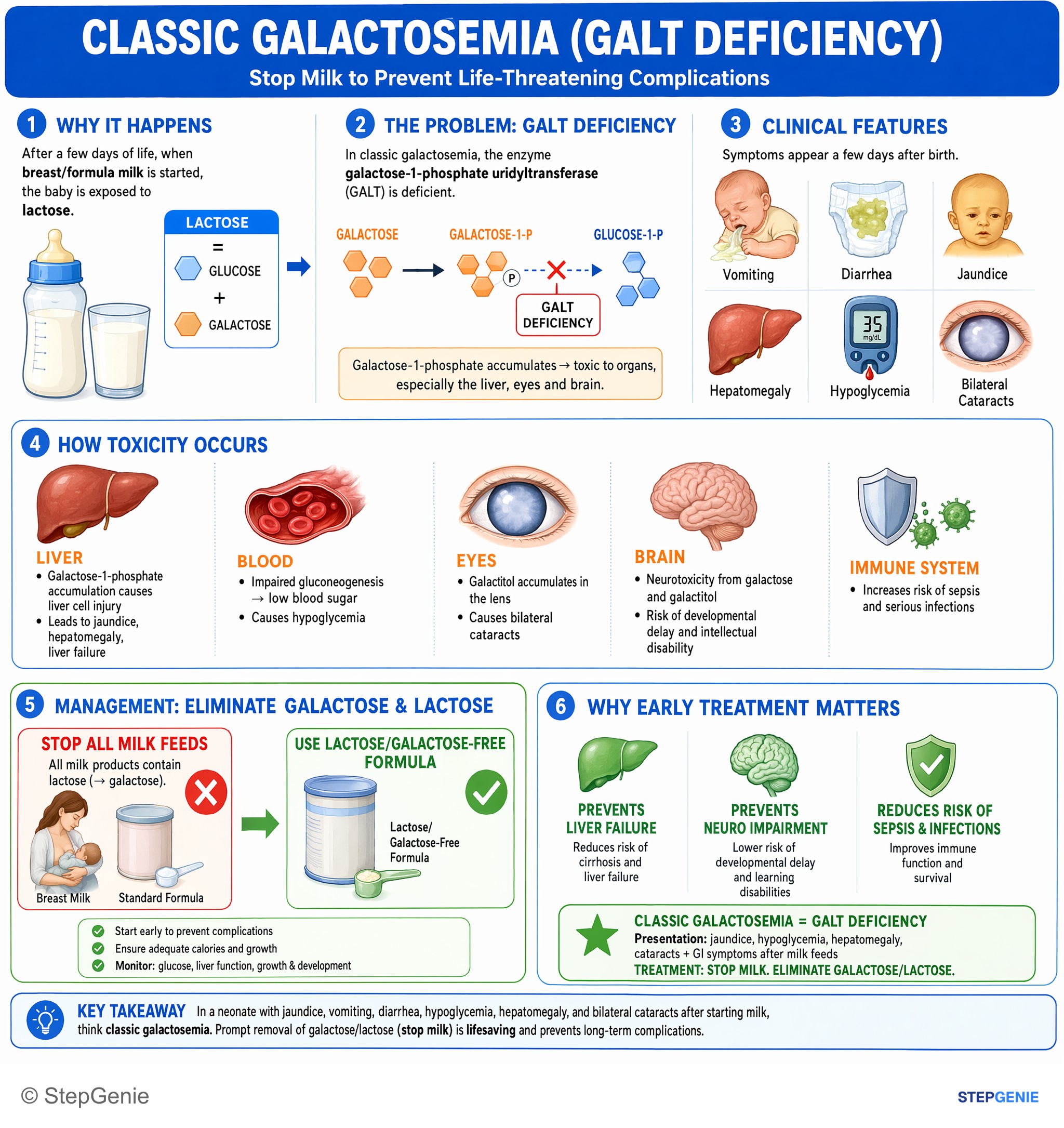
Classic galactosemia from GALT deficiency in a neonate with jaundice, hypoglycemia, hepatomegaly, and cataracts; treat by eliminating…
USMLE Step 1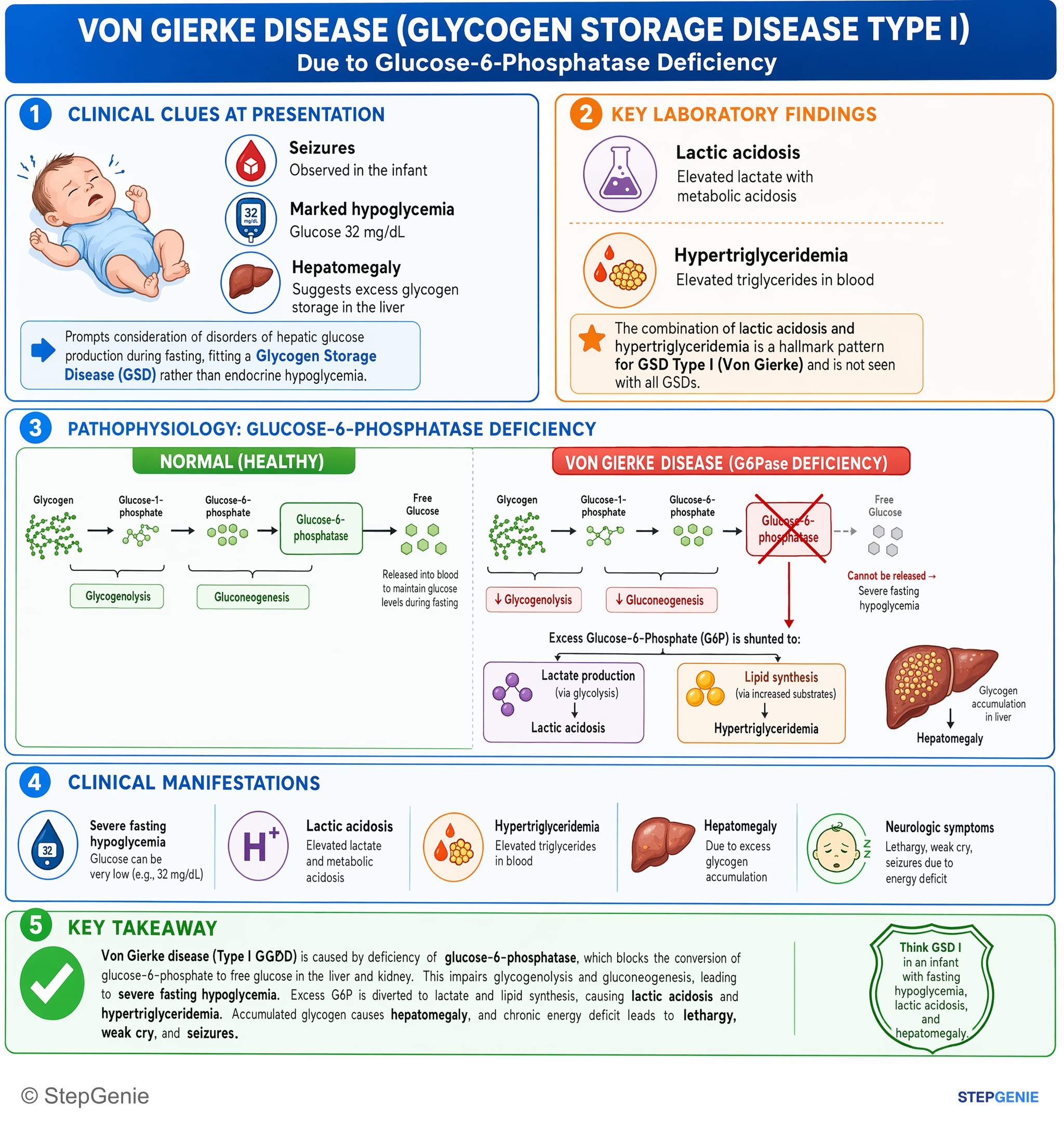
Von Gierke disease (type I glycogen storage disease) from glucose-6-phosphatase deficiency → severe fasting hypoglycemia, lactic acidosis…
USMLE Step 1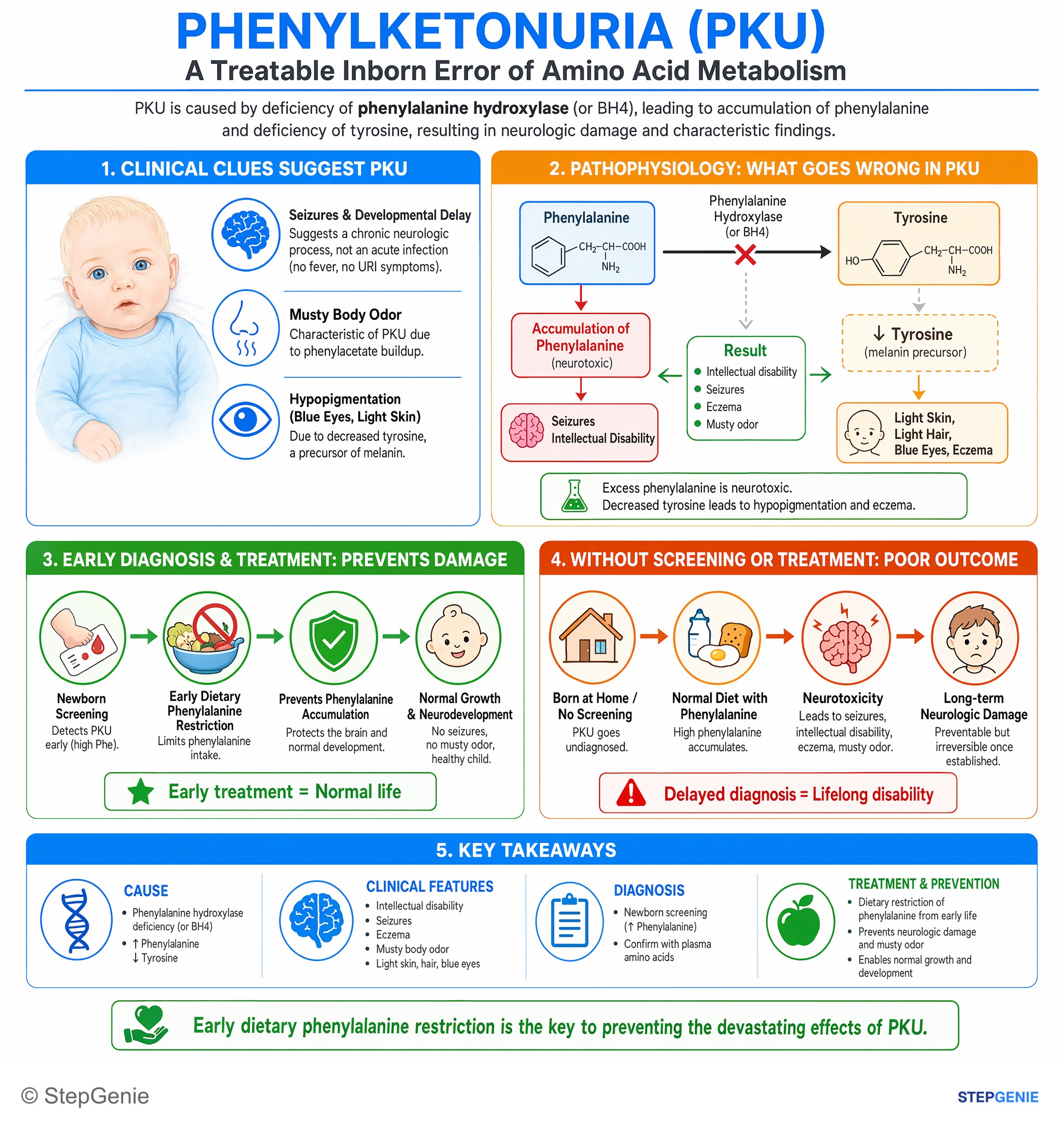
Phenylketonuria (PKU) from phenylalanine hydroxylase deficiency causes intellectual disability, seizures, eczema, and musty odor…
USMLE Step 1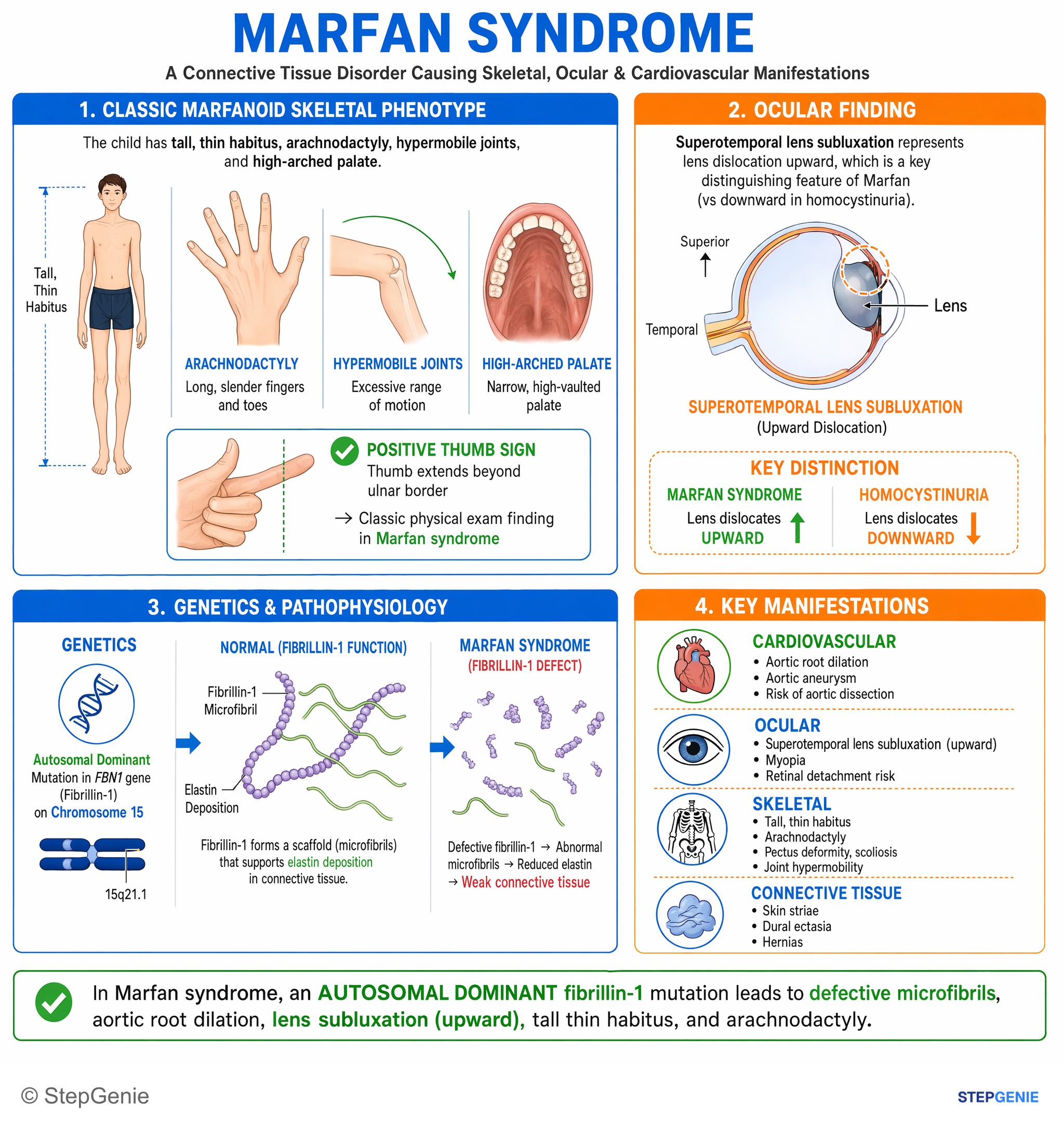
Marfan syndrome: autosomal dominant fibrillin-1 mutation → defective microfibrils, aortic root dilation, lens subluxation (upward), tall…
USMLE Step 1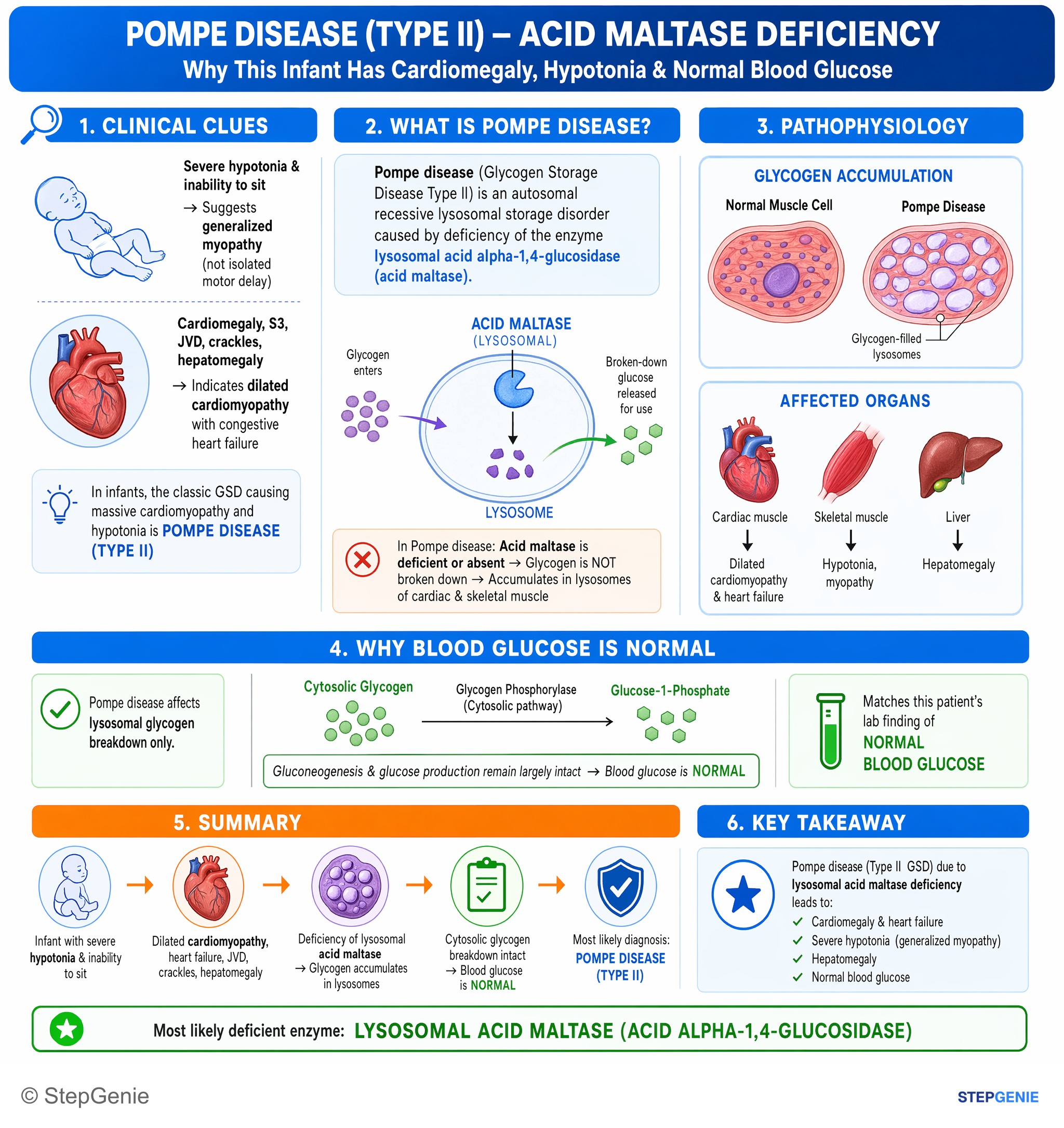
Pompe disease (type II glycogen storage disease) due to acid maltase deficiency → cardiomegaly, heart failure, hypotonia, normal blood…
USMLE Step 1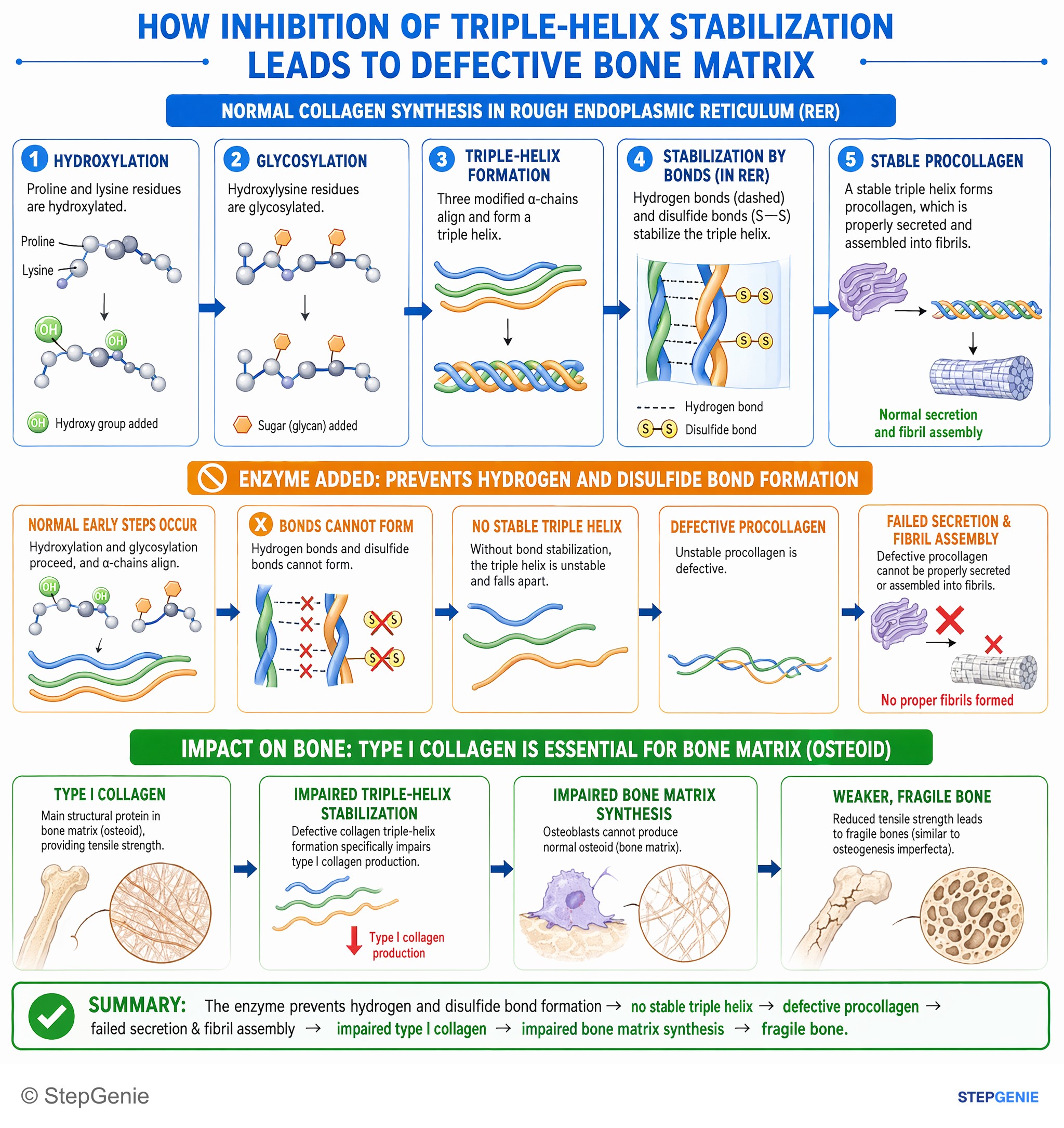
Defective collagen triple-helix formation impairs type I collagen production, leading to impaired bone matrix synthesis (similar to…
USMLE Step 1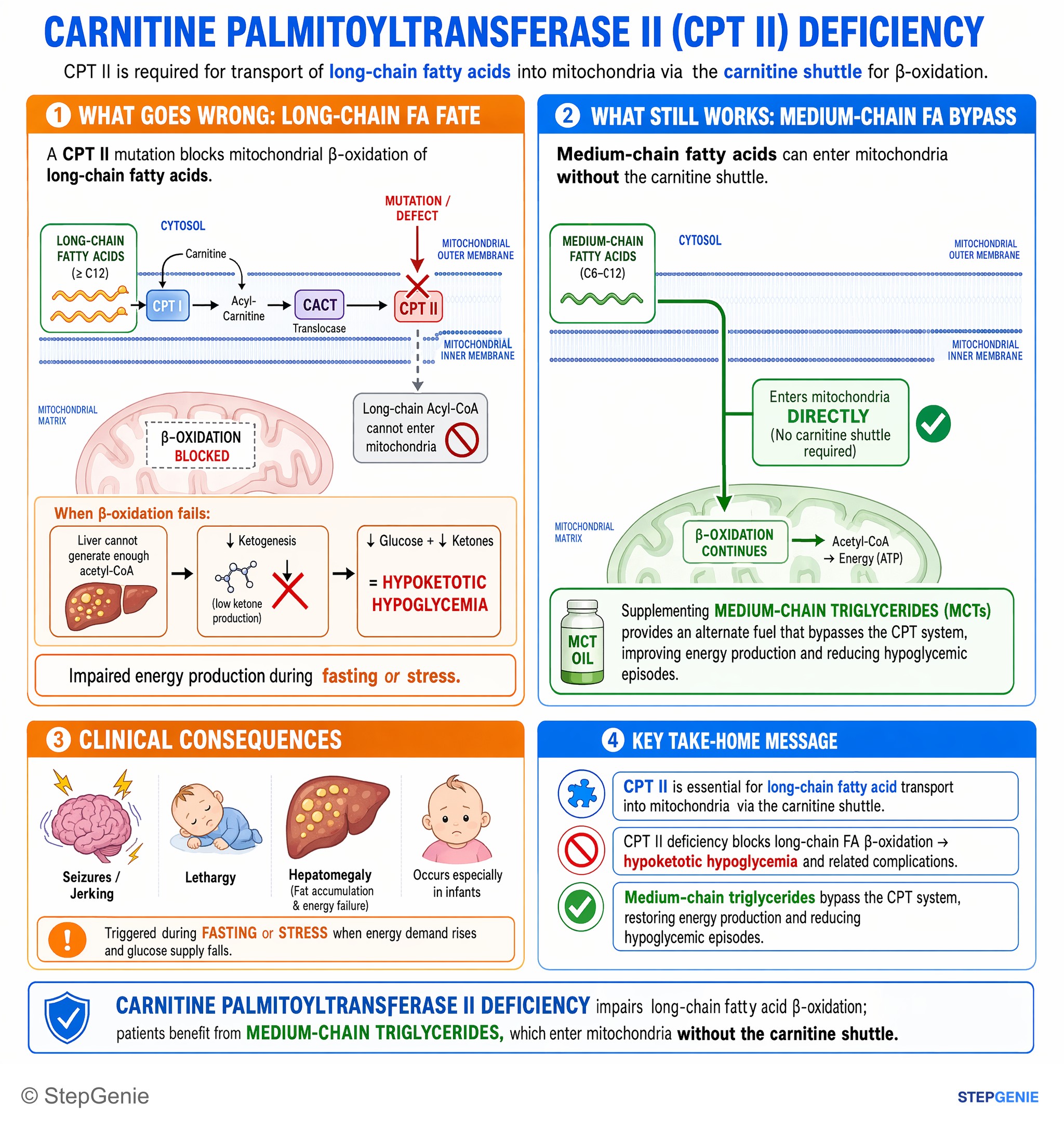
Carnitine palmitoyltransferase II deficiency impairs long-chain fatty acid β-oxidation; patients benefit from medium-chain triglycerides…
USMLE Step 1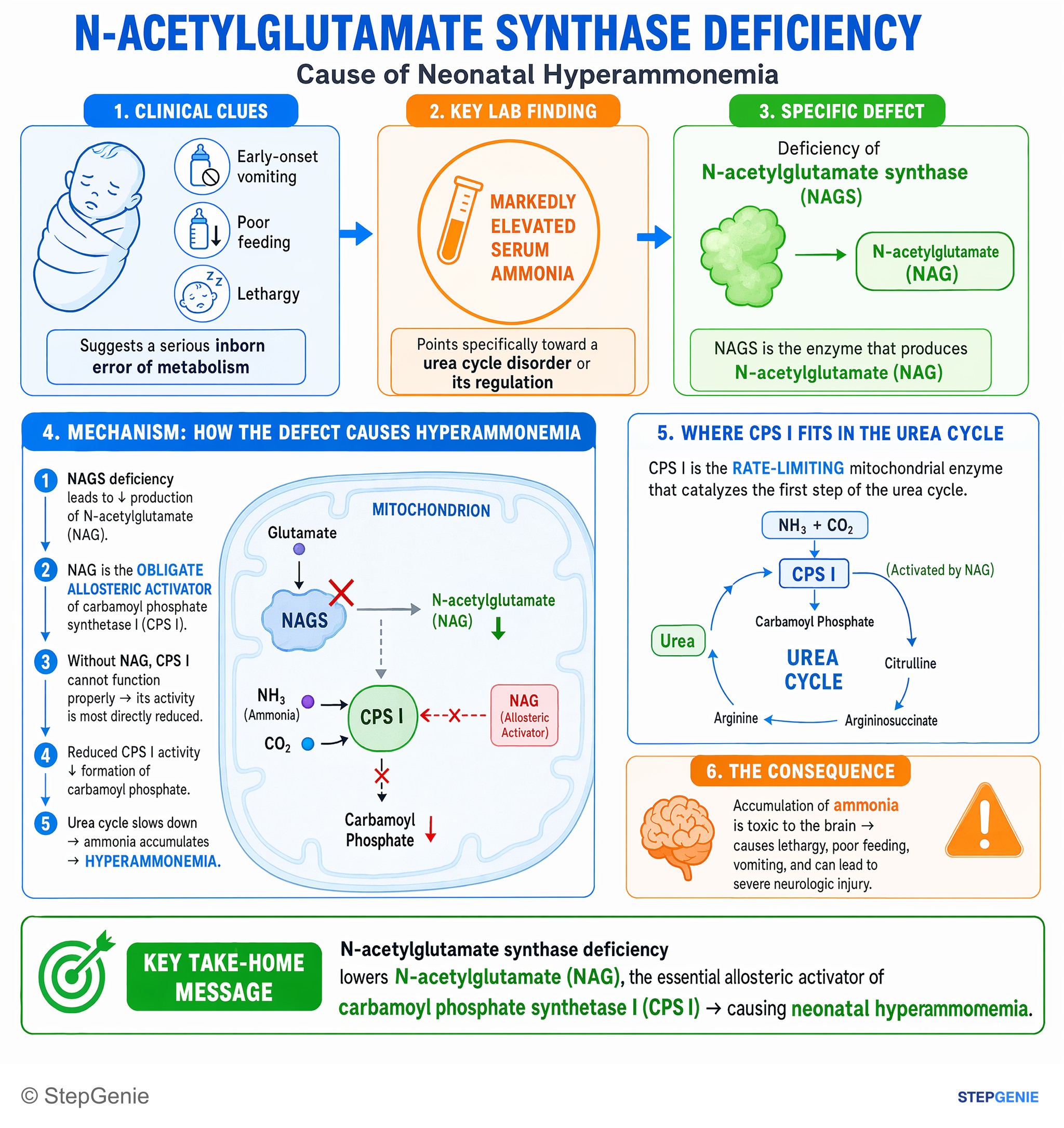
N-acetylglutamate synthase deficiency lowers N-acetylglutamate, an essential allosteric activator of carbamoyl phosphate synthetase I…
USMLE Step 1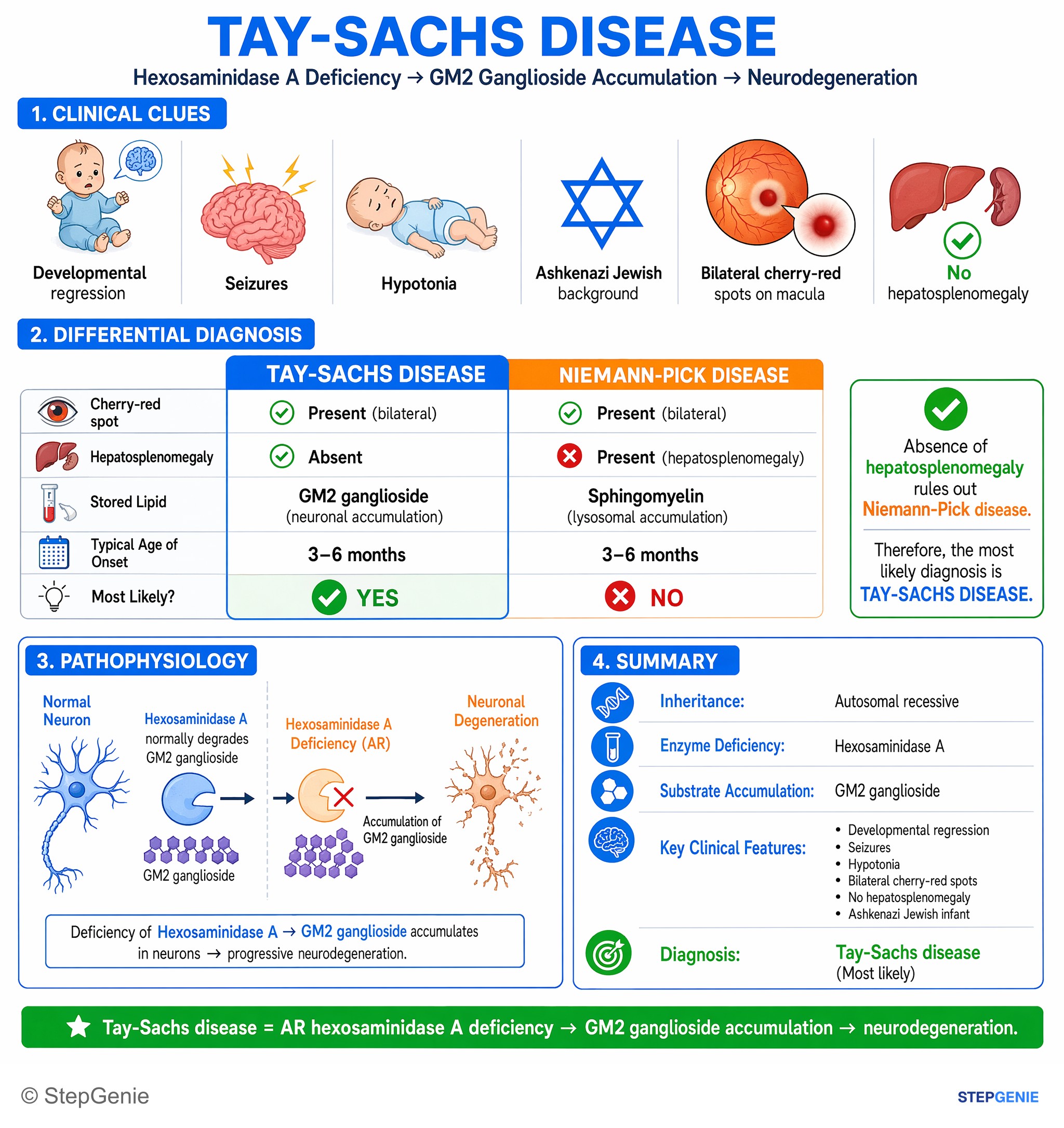
Tay-Sachs disease: AR hexosaminidase A deficiency → accumulation of GM2 ganglioside; presents with neurodegeneration, cherry-red macula…
USMLE Step 196 publishable biochemistry infographics in the library — all of them from Step 1 questions, counted on October 29, 2026. This page shows 48 of them. An image is listed when its question is active, has a full structured explanation, passed verification and carries no unresolved report.
This page caps out at 48 images. 48 more biochemistry infographics sit in the in-app image library, where they are searchable and filterable by subject, system and topic.
Open the image libraryPractice the questions behind these images
Each image explains one question. The biochemistry topic page has the written explanations and the question sets, and the preview lets you answer three questions without an account.
Other image sets
Study biochemistry with the image attached
In the app, each of these sits at the end of the question it explains, alongside the step-by-step reasoning and a panel for every option you did not pick. Starting is free.
Start practicing free