High-yield immunology images for the USMLE
StepGenie explanation infographics. Free to view, no account needed.
What do StepGenie's immunology images cover?
Each immunology image is a StepGenie infographic drawn for one of its own practice questions. Most place a defect at a specific point in the immune response — a missing cell, a missing enzyme, a misdirected antibody — and then show what that predicts clinically.
Autoimmune disease and vasculitis form the largest group here, then immunodeficiency syndromes, allergic reactions and anaphylaxis, and hypersensitivity responses, with smaller sets on cell-mediated and humoral immunity and on the immune mechanisms behind glomerular and pulmonary disease.
Immunodeficiency is one of the few topics where a mechanism diagram is strictly better than a mnemonic. A panel that places the block on the maturation pathway explains the infections a patient gets without asking you to remember the pairing separately, and the same panel then explains the vaccine that is contraindicated. The hypersensitivity images do similar work: they hold all four types on one axis so a new example can be sorted by its timing and its mediator.
Because immunology overlaps everything, several of these images also appear under infectious disease and rheumatology. That repetition is intentional — the same picture answers questions filed under different systems.
Transplant rejection is a small but distinct group. Those panels sort hyperacute, acute and chronic rejection by the time they appear and by the mechanism behind each, which is what keeps the three apart under exam conditions.
Topics in this set
Labels are the question-bank topics these images are filed under. Step 1 and Step 2 file some of the same material under different names, so a few labels here merge both.
Immunology explanation images
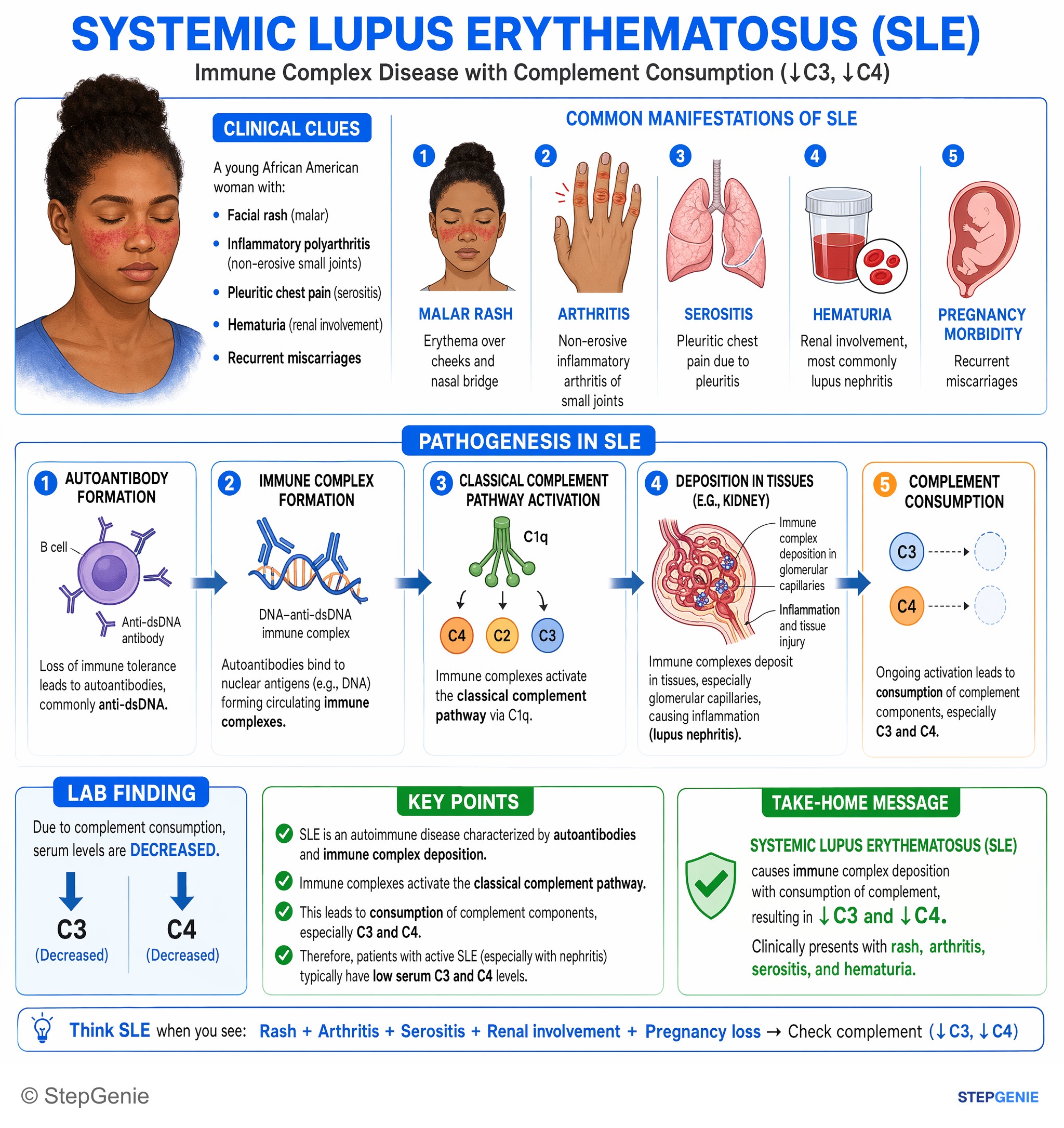
Systemic lupus erythematosus (SLE) causes immune complex deposition with consumption of complement (↓C3, ↓C4), presenting with rash…
USMLE Step 1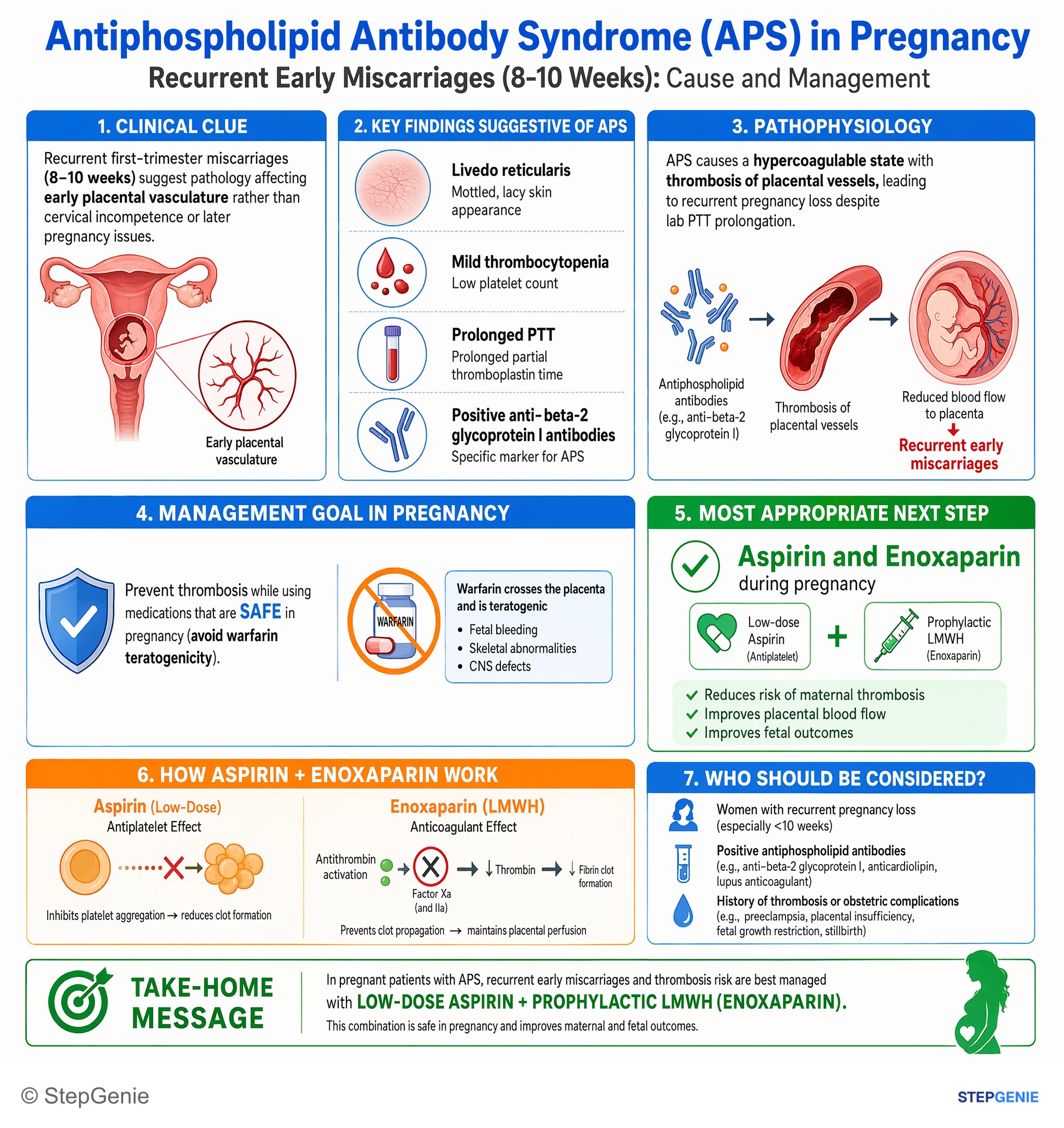
Antiphospholipid antibody syndrome in pregnancy (recurrent early miscarriages + thrombosis risk) is managed with low-dose aspirin plus…
USMLE Step 2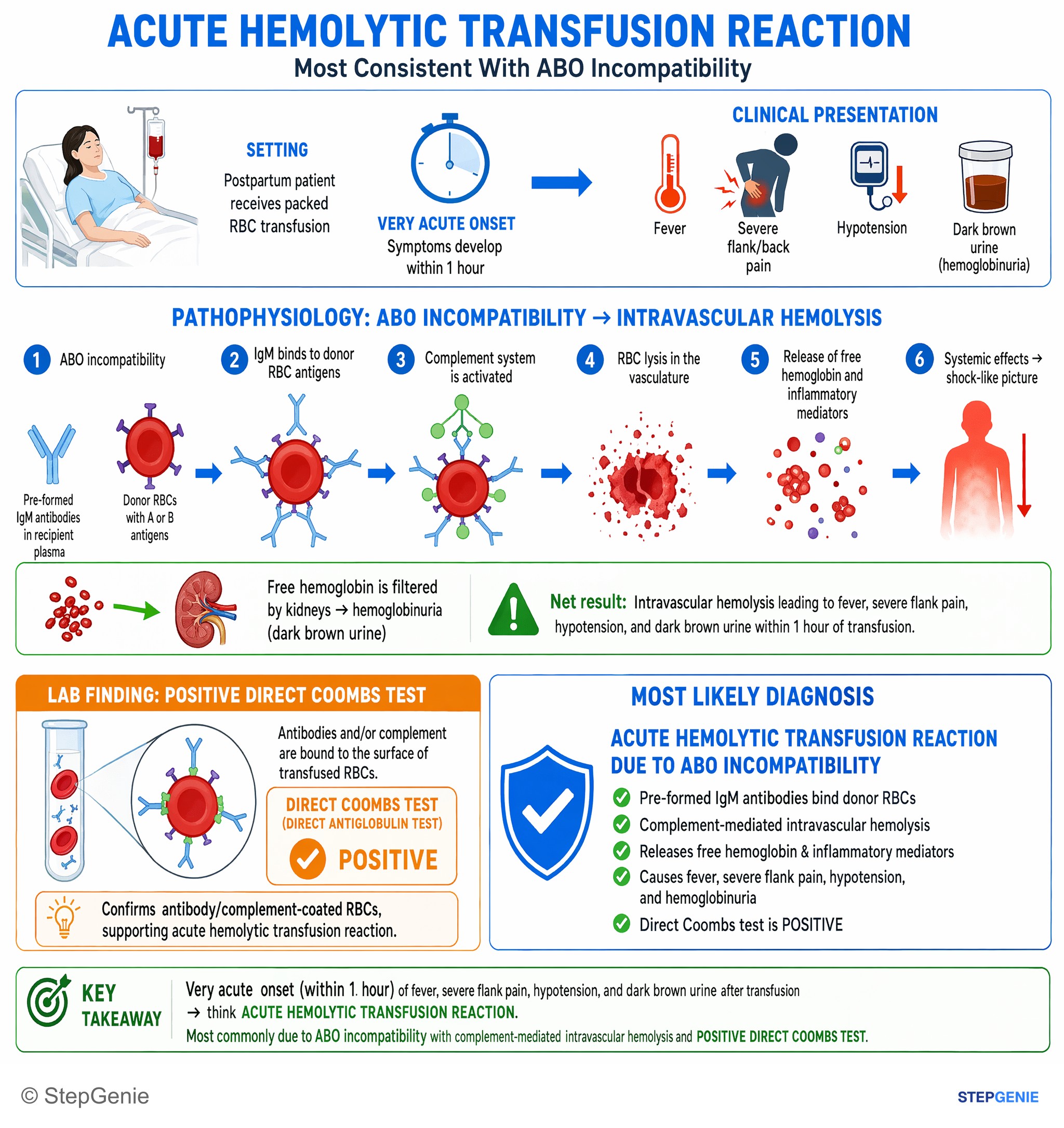
Acute hemolytic transfusion reaction due to ABO incompatibility: complement-mediated intravascular hemolysis → fever, flank pain…
USMLE Step 1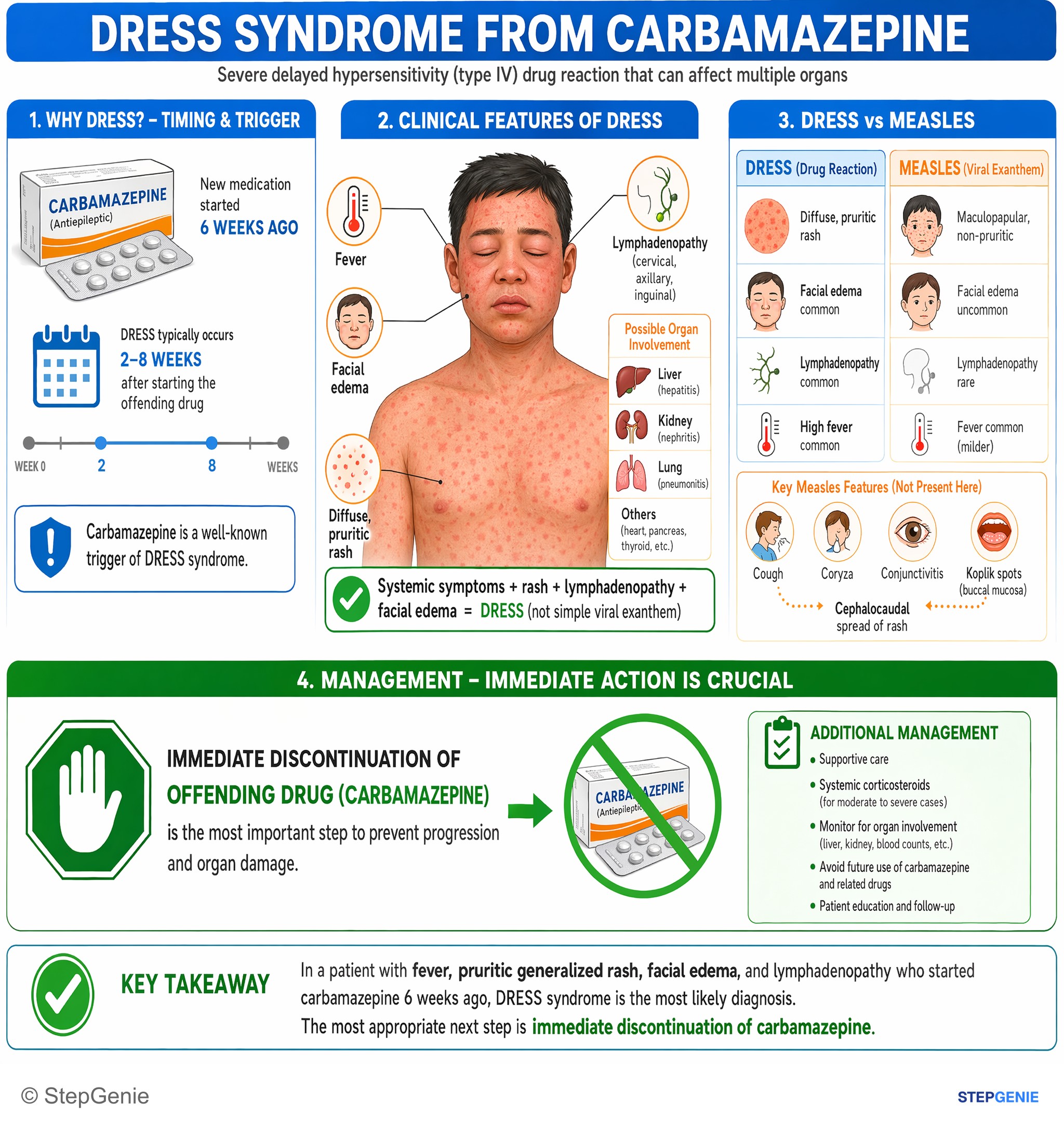
DRESS syndrome from carbamazepine: fever, facial edema, diffuse pruritic rash, lymphadenopathy, systemic involvement. Management is…
USMLE Step 2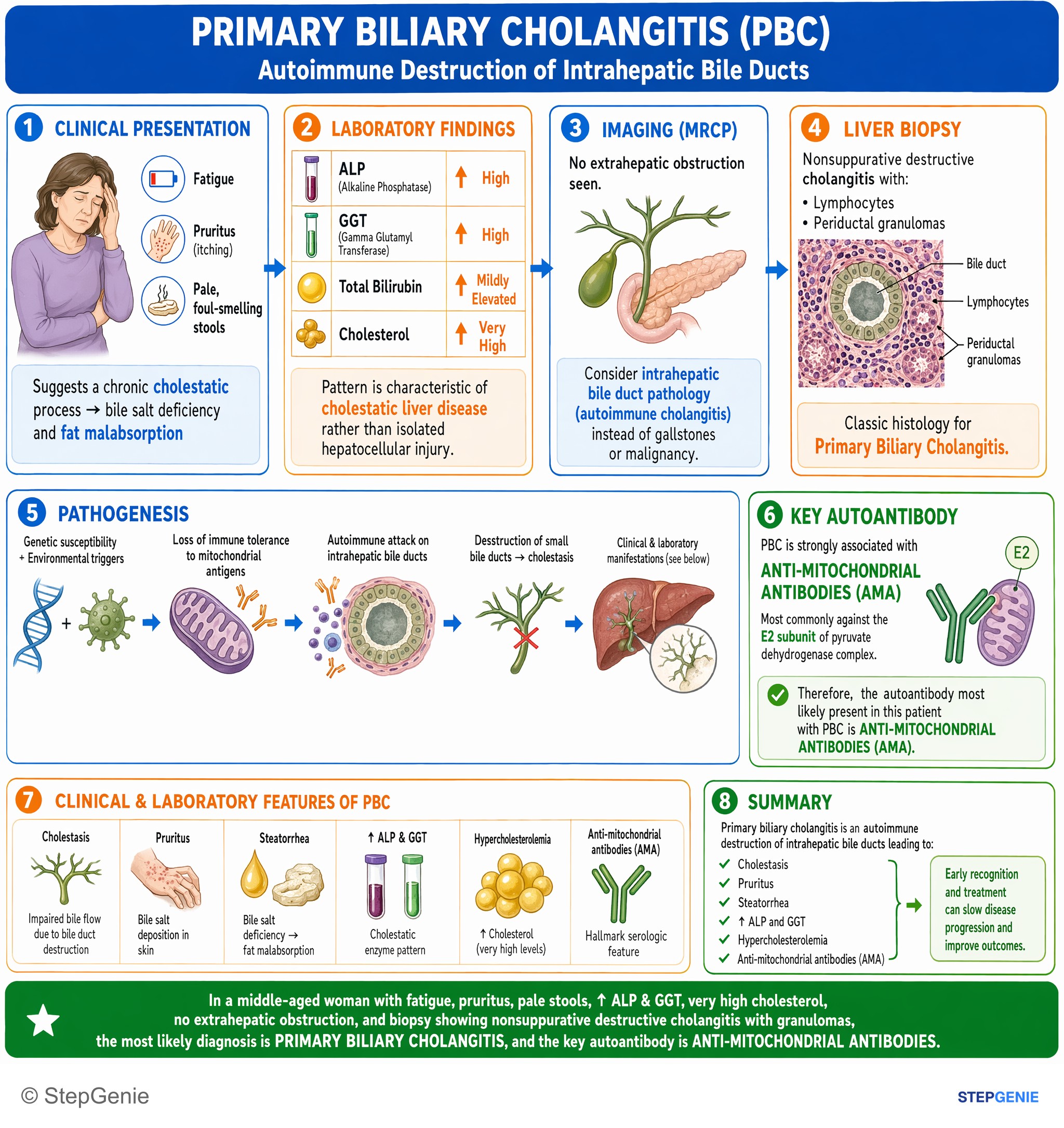
Primary biliary cholangitis causes autoimmune destruction of intrahepatic bile ducts → cholestasis, pruritus, steatorrhea, ↑ALP…
USMLE Step 1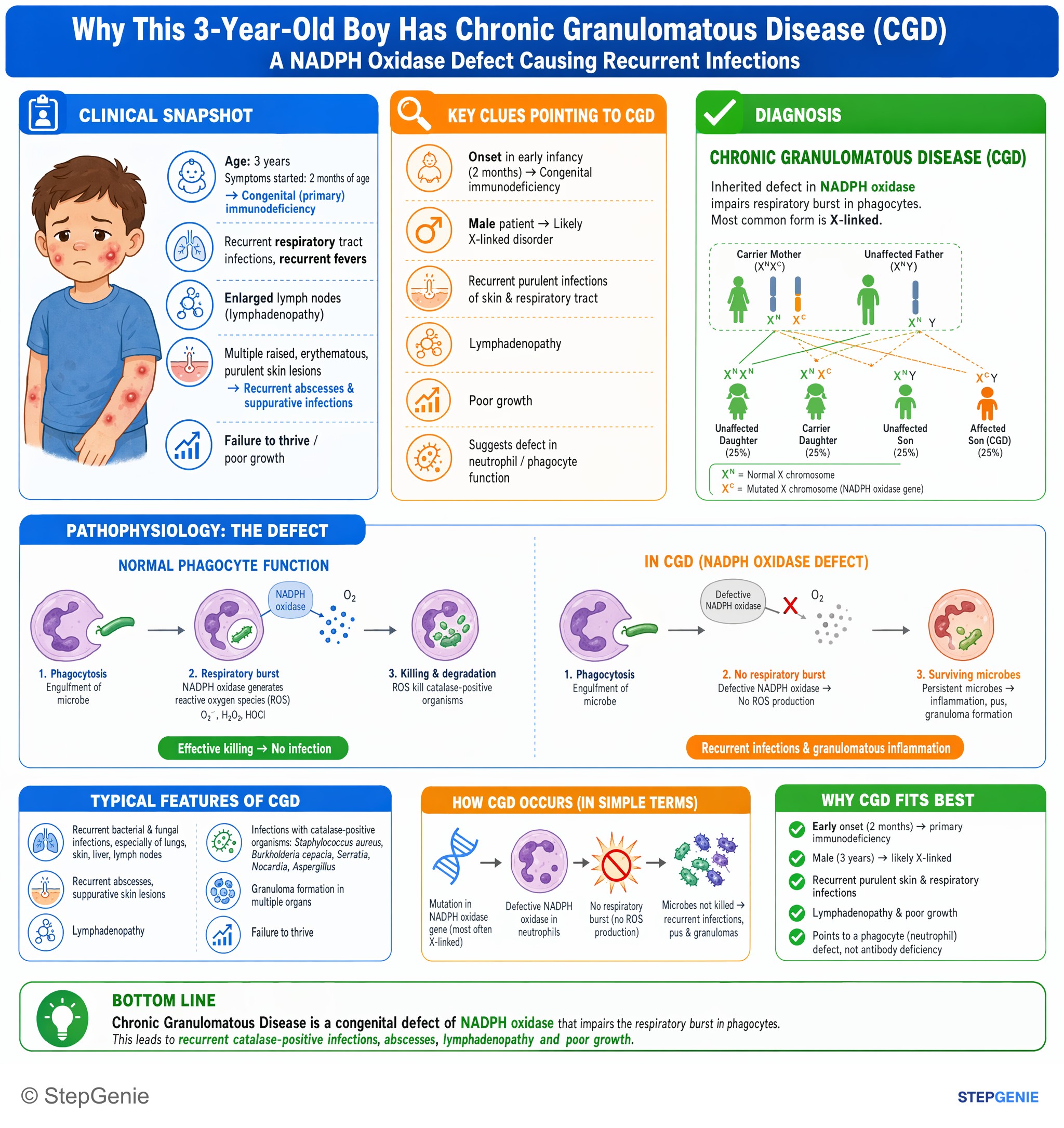
Chronic granulomatous disease: NADPH oxidase defect → impaired respiratory burst → recurrent catalase-positive infections…
USMLE Step 2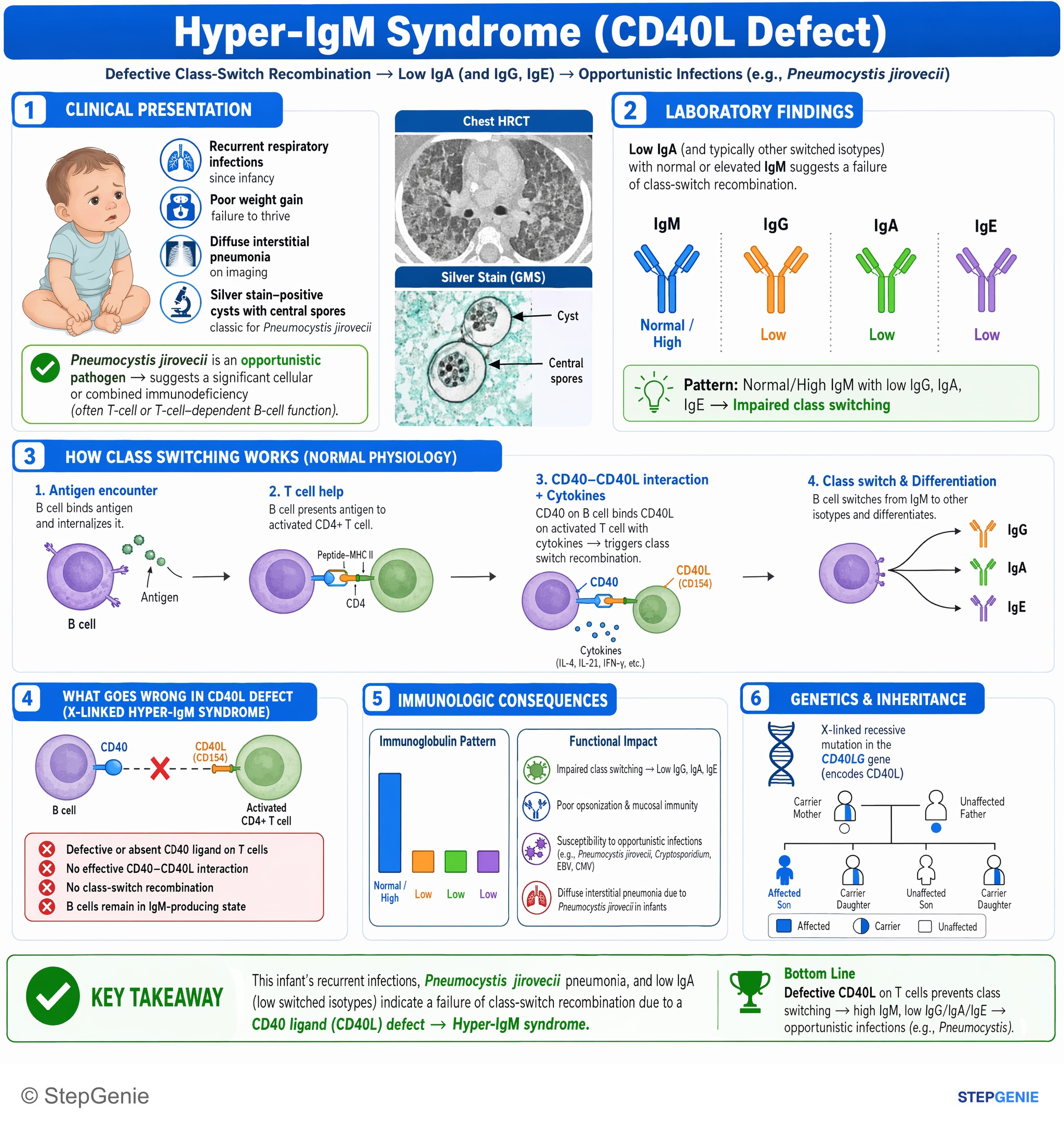
Hyper-IgM syndrome (CD40L defect) → impaired class switching, low IgA, opportunistic infections (e.g., Pneumocystis jirovecii) with…
USMLE Step 1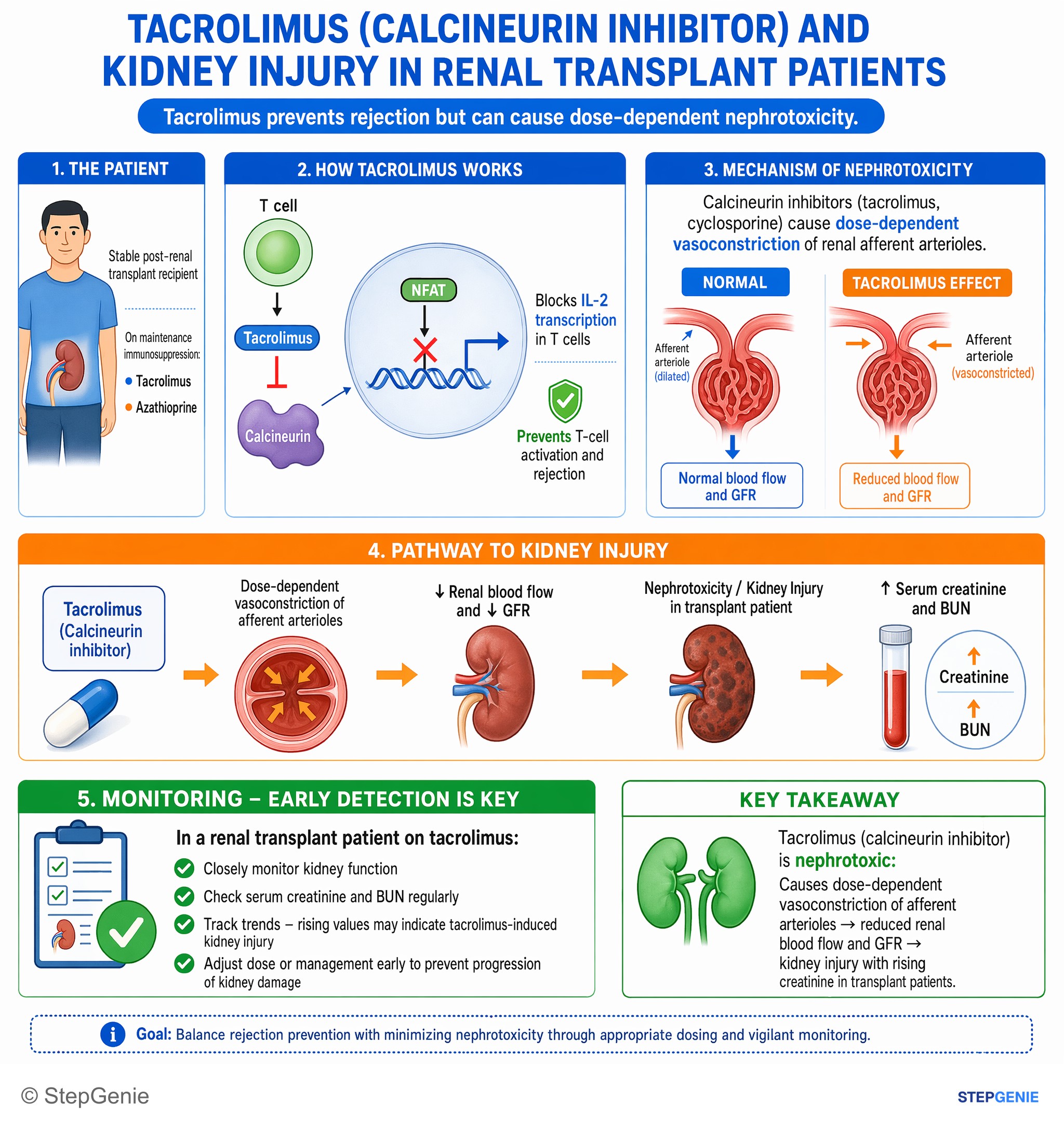
Tacrolimus (calcineurin inhibitor) is nephrotoxic: causes dose-dependent vasoconstriction of afferent arterioles → kidney injury in…
USMLE Step 2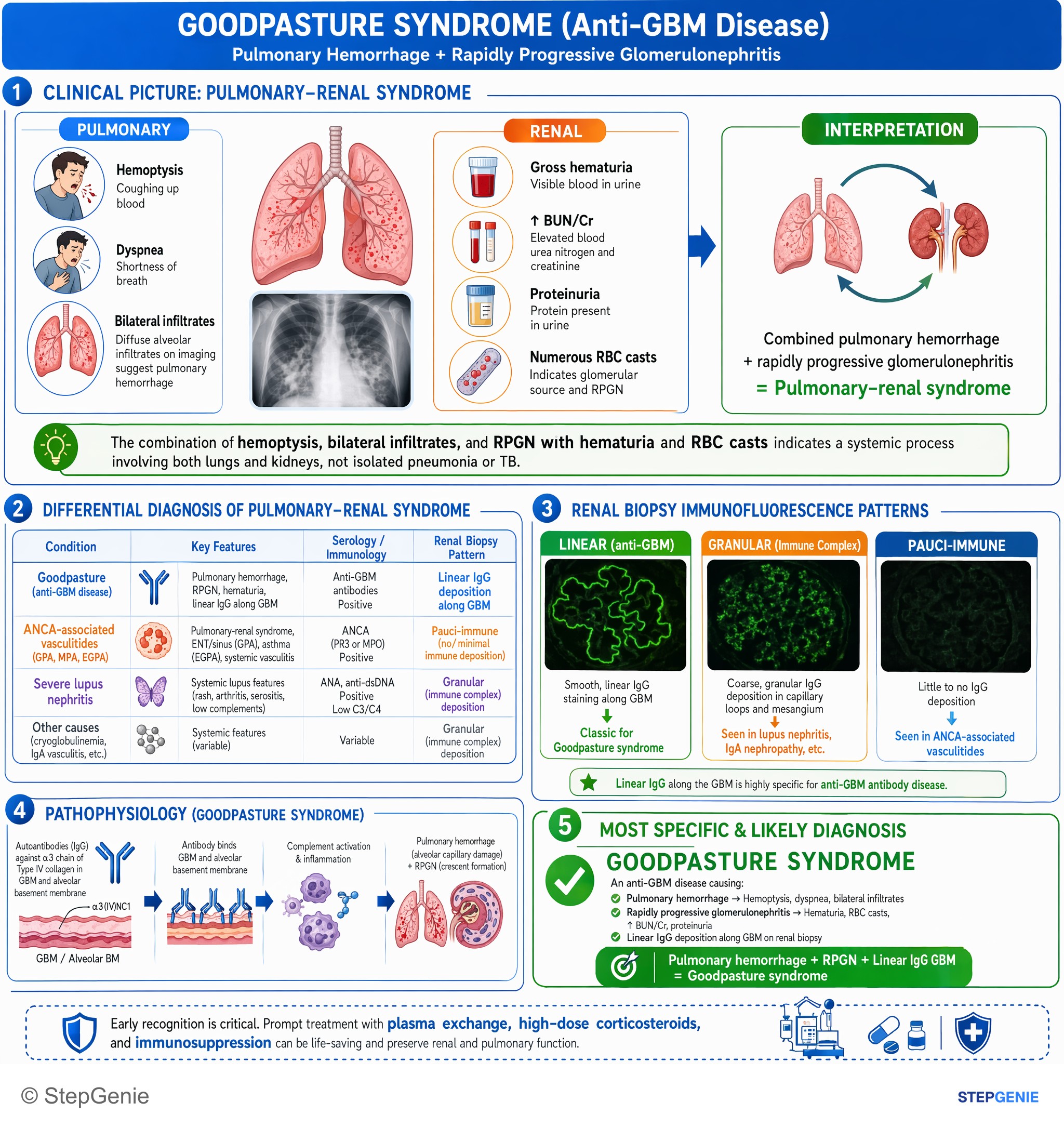
Goodpasture syndrome: anti-GBM disease causing pulmonary hemorrhage and rapidly progressive glomerulonephritis with hemoptysis, hematuria…
USMLE Step 1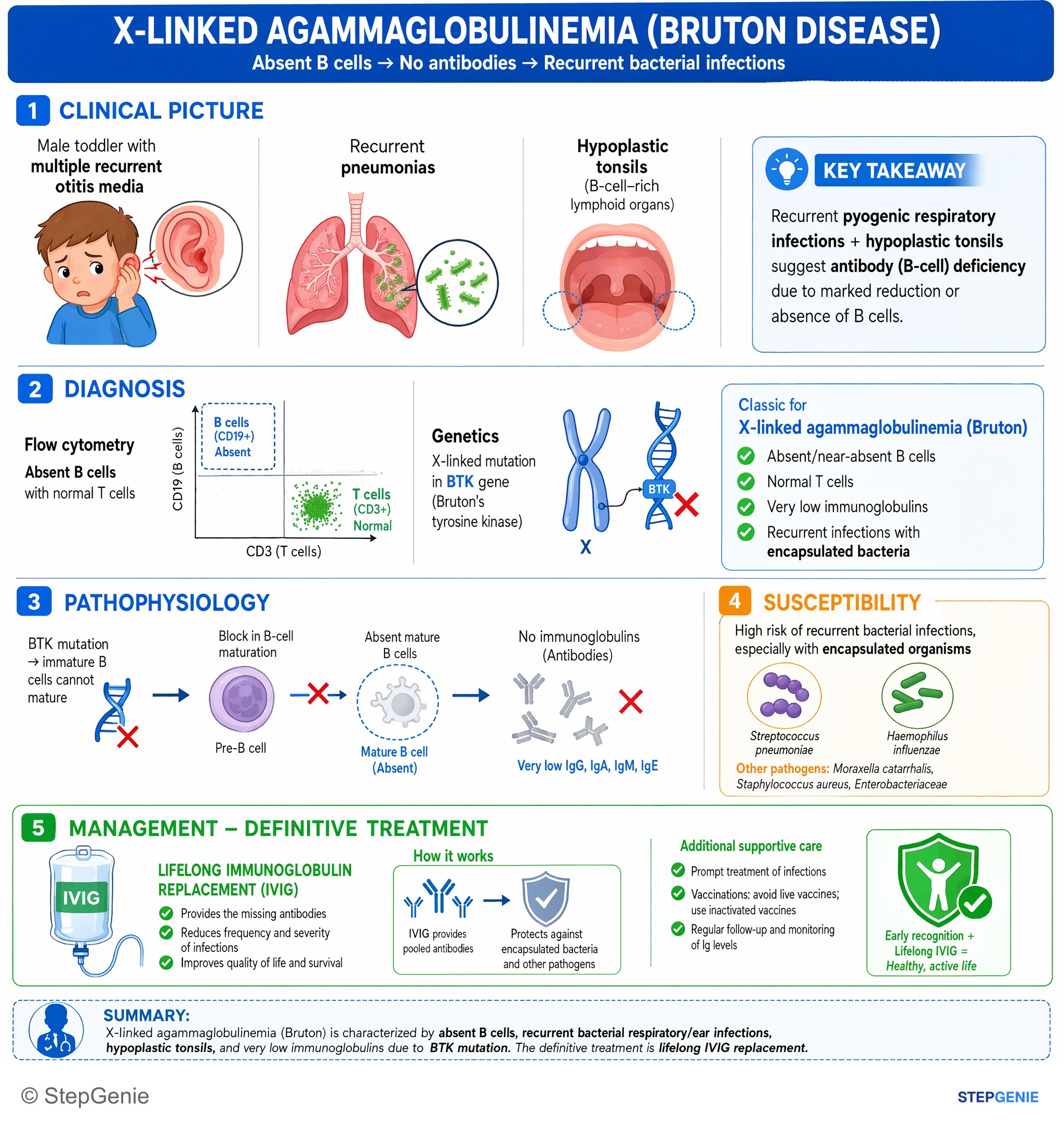
X-linked agammaglobulinemia (Bruton): absent B cells, recurrent bacterial respiratory/ear infections, hypoplastic tonsils → treat with…
USMLE Step 2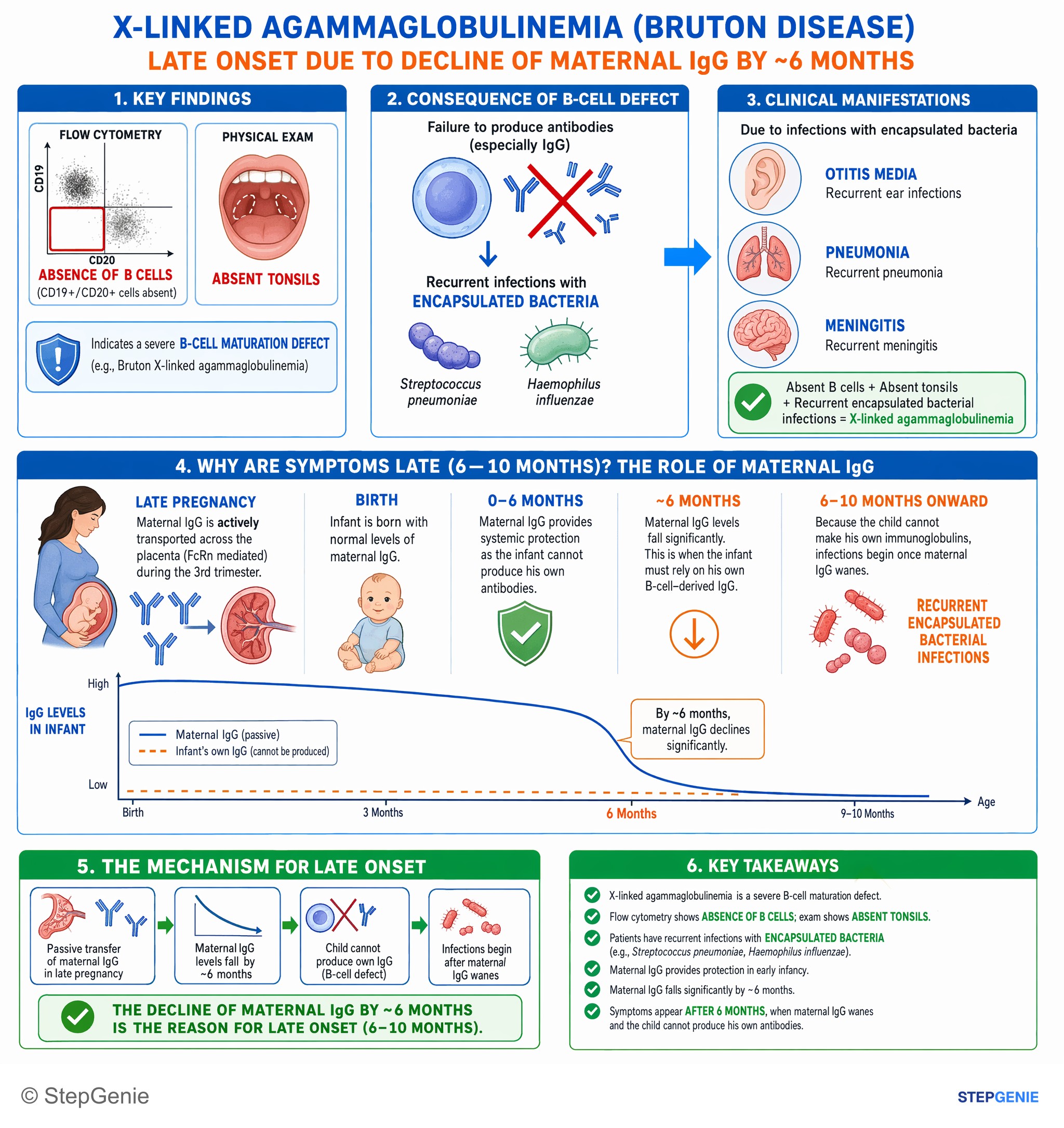
X-linked agammaglobulinemia presents after 6 months when maternal IgG wanes, causing recurrent encapsulated bacterial infections and…
USMLE Step 1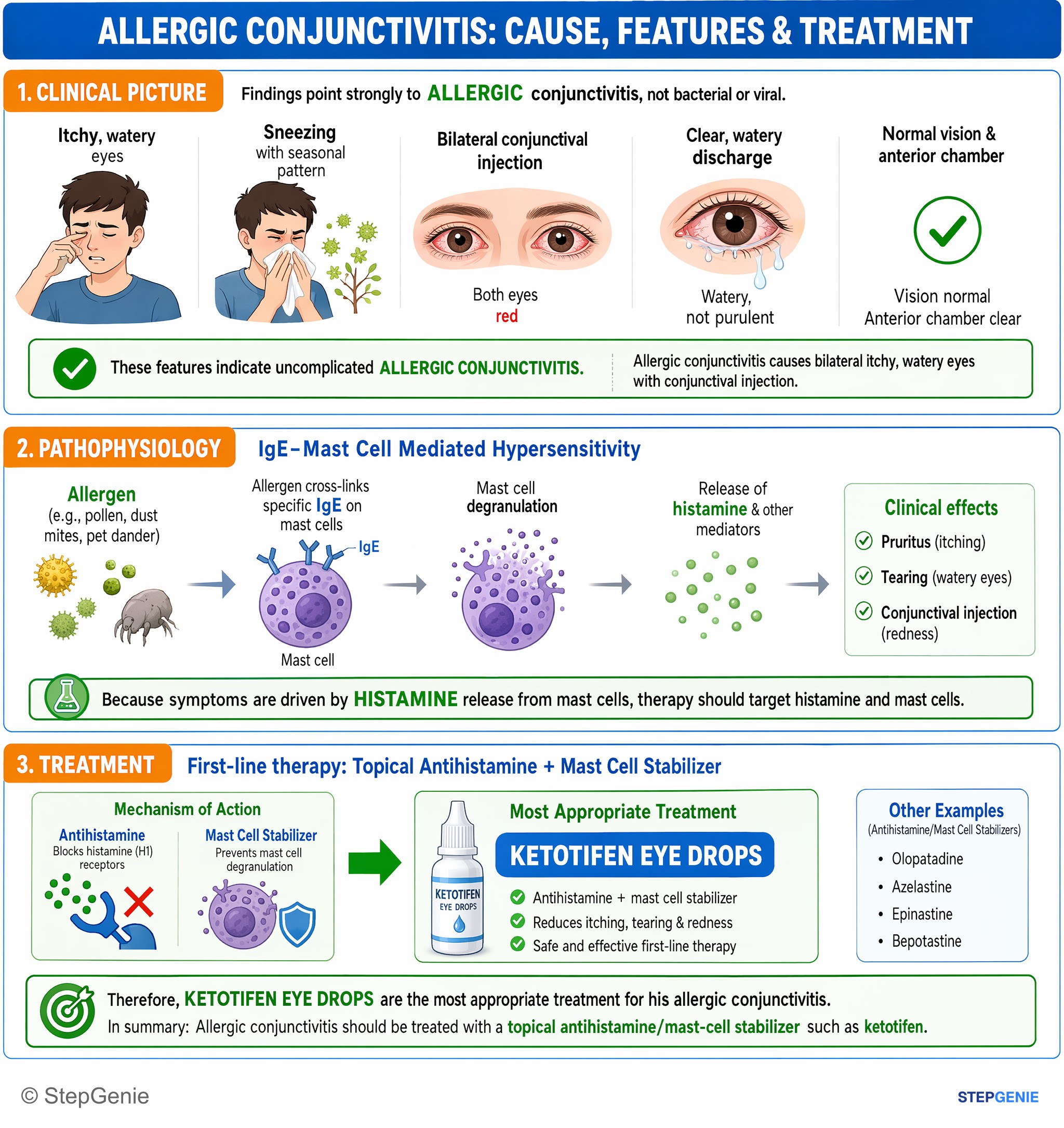
Allergic conjunctivitis causes bilateral itchy, watery eyes with conjunctival injection; treat with topical antihistamine/mast-cell…
USMLE Step 2154 publishable immunology infographics in the library — 128 from Step 1 questions and 26 from Step 2 CK, counted on October 29, 2026. This page shows 48 of them, alternating the two steps. An image is listed when its question is active, has a full structured explanation, passed verification and carries no unresolved report.
This page caps out at 48 images. 106 more immunology infographics sit in the in-app image library, where they are searchable and filterable by subject, system and topic.
Open the image libraryPractice the questions behind these images
Each image explains one question. The immunology topic page has the written explanations and the question sets, and the preview lets you answer three questions without an account.
Other image sets
Study immunology with the image attached
In the app, each of these sits at the end of the question it explains, alongside the step-by-step reasoning and a panel for every option you did not pick. Starting is free.
Start practicing free